
How to Position Bookshelf Speakers for the Best Vinyl Listening Experience
Unlock every detail hidden in your records. A complete, expert guide to the listening triangle, toe-in, wall distance, turntable isolation, and room acoustics — so your vinyl sounds exactly the way it was meant to.
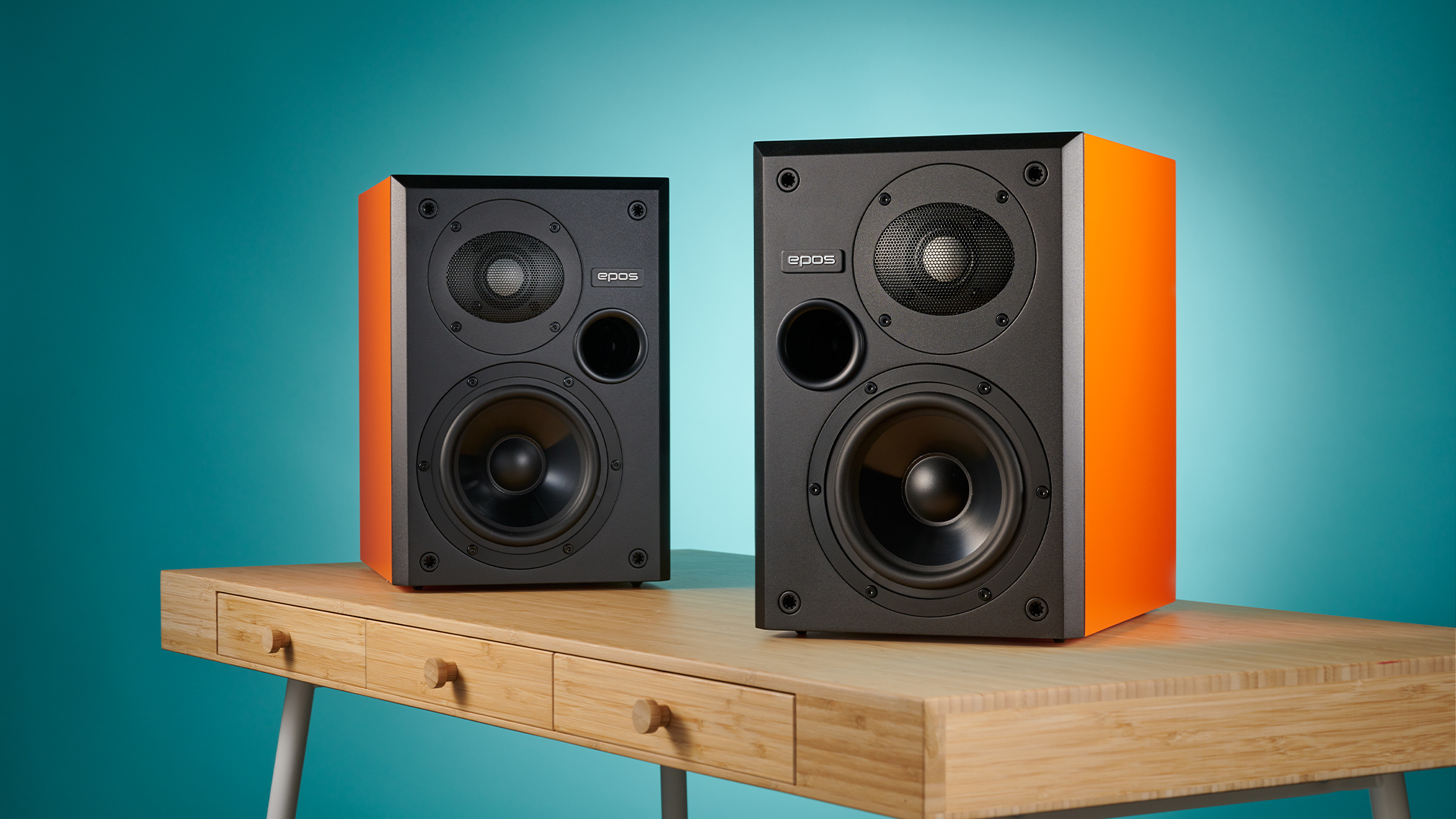
Your bookshelf speakers are only as good as their placement. You can spend thousands on premium components, but if your speakers are sitting in the wrong spot, you’re robbing yourself of the warmth, detail, and three-dimensional soundstage that vinyl is famous for.
The good news? Proper speaker positioning costs nothing. A single afternoon of careful setup can transform your listening experience more dramatically than any equipment upgrade. This guide compiles the best practices from leading audiophile sources, manufacturer guidelines, and acoustic science — specifically tuned for vinyl playback.
Minimum distance from rear wall
Starting toe-in angle toward listener
Section 01
Why Speaker Placement Matters Especially for Vinyl
Vinyl records are inherently analog — every groove carries a continuous, nuanced waveform that digital formats compress or truncate. When your speakers are positioned correctly, that warmth and dimensionality is preserved. When they’re not, acoustic reflections, vibrations, and phase issues muddy the very details that make vinyl special.
Unlike streaming, vinyl playback is also a mechanical process. The stylus tracing a groove is sensitive to even tiny vibrations in the environment. This means speaker placement affects not just sound quality but also the physical integrity of your playback — misplaced speakers can cause the needle to skip, groove damage, or feedback loops.
💡 Key Insight
Proper speaker placement is often called the “free upgrade” — it costs nothing but time, yet it can deliver improvements that rival expensive equipment swaps. For vinyl listeners, it’s arguably the single most impactful optimization available.
Section 02
The Listening Triangle: Your Starting Point
The most fundamental principle in speaker placement is the equilateral listening triangle. Picture your listening seat and both speakers as the three corners of an equilateral triangle, where all three sides are equal in length.
Find your listening position
Decide where you will sit or stand most often while listening. This is your “sweet spot” — everything will be positioned relative to this point.
Separate speakers by approximately 4 feet
For bookshelf speakers, aim for roughly 4 feet (1.2 m) of separation between the two units. Too close and sounds blend together into muddiness; too far and a stereo gap forms in the center image.
Match the distance to your seat
The distance from each speaker to your listening position should equal the distance between the two speakers — completing the equilateral triangle.
Maintain symmetry
Both speakers should be the same distance from the nearest side wall and the same distance from you. Asymmetry throws off the stereo image and shifts the phantom center out of alignment.
When set up correctly, you’ll experience a “phantom center” — the illusion of a singer or instrument appearing in the space between your speakers, even though no speaker is physically placed there. This three-dimensional illusion is the hallmark of great vinyl playback.
Section 03
Speaker Height: Get Your Tweeters at Ear Level
The tweeter — the small high-frequency driver on your bookshelf speaker — should be positioned at roughly the same height as your ears when you’re seated in your listening position. Tweeters disperse high frequencies in a relatively narrow beam, so if they’re aimed above or below your ears, you’ll lose treble clarity and air, which is crucial for hearing the delicate high-frequency detail pressed into vinyl grooves.
Using Speaker Stands
Dedicated speaker stands are the audiophile’s preferred solution. They allow precise height control, decouple the speaker from surface vibrations, and often improve bass response by removing the speaker from shelf-boundary effects. When selecting stands, look for models that position your tweeters at exactly seated ear height — typically between 36 and 44 inches for most listening chairs.
Adjusting Tilt (Rake Angle)
If ear-level alignment isn’t achievable, many speaker stands include adjustable feet that allow a slight backward or forward tilt. A small rearward tilt can compensate for speakers placed slightly below ear level. The quickest way to check this: move your head up and down from your normal seated position. If things sound clearer and more open as you move away from the sweet spot, a slight upward tilt of the speakers will help.
⚠️ Avoid Floor Placement
Placing bookshelf speakers directly on the floor positions the tweeters far below ear level, dramatically reducing high-frequency clarity. It also exposes them to additional floor reflections that blur midrange detail. Floor placement should always be a last resort.
Section 04
Mastering Toe-In for the Perfect Stereo Image
Toe-in is the inward angle of your speakers toward the listening position. Instead of facing straight forward (parallel to the front wall), speakers are rotated inward so the tweeters point toward your ears. This single adjustment profoundly affects stereo imaging, soundstage width, and tonal balance.
The 10 O’clock / 2 O’clock Rule
A popular starting point is the “clock face” method: imagine the room as a clock face. Angle your left speaker toward the 2 o’clock position and your right speaker toward the 10 o’clock position. This gives a moderate toe-in that works well in most rooms.
Finding Your Optimal Angle
The ideal toe-in is room- and speaker-dependent. Start at 15–20 degrees and adjust a few degrees at a time, listening carefully after each change. More toe-in focuses the stereo image and boosts treble, but narrows the soundstage. Less toe-in widens the soundstage but can introduce comb-filtering artifacts.
Test with a vocal recording
Play a track with a clear, centered vocal. Sit in your listening position and close your eyes. A well-set-up system presents the vocal as a distinct, focused “image” in the center — not spread across both speakers.
Adjust by 5-degree increments
Make small adjustments, always listening from your seated position. Avoid changing both speakers simultaneously — adjust one at a time to isolate the effect.
Check grille removal
If your speakers have fabric grilles, try removing them. Grilles can slightly diffuse high frequencies, affecting the crispness of the stereo image. Many audiophiles listen grille-off.
Section 05
Distance from Walls and Room Boundaries
Walls are one of the biggest enemies of accurate speaker performance. Sound waves bounce off walls and arrive at your ears slightly later than the direct signal — an effect called “time smearing” that makes music sound muddy and unclear, obscuring the very detail vinyl is prized for.
Rear Wall Distance
Pull your speakers at least 2–3 feet (60–90 cm) from the rear wall. Speakers with rear-firing bass ports are especially sensitive to this: placing them too close causes bass to pile up and reflect back, creating a boomy, one-note low end. Start by pulling them out until bass definition improves, then nudge them slightly back if the bass becomes too thin.
Side Wall Distance
Maintain equal distance from both side walls to preserve stereo symmetry. Unequal side-wall distances cause one channel to sound brighter or differently toned than the other, collapsing the stereo image to one side.
Corner Placement
Avoid placing speakers in corners. Corner loading dramatically exaggerates bass frequencies, creating an uncomfortably heavy, boomy sound — the opposite of the controlled, detailed low end that makes jazz, classical, and acoustic music on vinyl so compelling.
📐 Front Ports vs. Rear Ports
If your bookshelf speakers have front-facing bass ports, you have more flexibility and can position them a bit closer to the rear wall. Rear-ported speakers need more breathing room — at minimum 18 inches from the back wall, ideally 24–36 inches.
Section 06
Turntable Isolation — The Vinyl-Specific Rule
This is the rule that separates vinyl setups from all other speaker placement scenarios. A turntable’s stylus reads incredibly tiny vibrations in the groove — on the order of micrometers. Speaker vibrations, even those you can’t physically feel, are more than sufficient to cause the needle to mistrack, producing audible distortion, skipping, or long-term groove damage.
Keep the Turntable on a Separate Surface
The number one rule: never place your turntable on the same surface as your speakers. If your bookshelf speakers sit on a shelf, your turntable must live on a different shelf, table, or dedicated stand. The physical separation of surfaces breaks the vibration transmission path.
Minimum Distance
Maintain a minimum of 4–6 feet between your speakers and turntable. In rooms with particularly resonant bass (hardwood floors, parallel walls), even more distance may be needed. Low-frequency waves from bass-heavy tracks are the most problematic, as their energy easily travels through furniture and floors.
Isolation Platforms and Stands
If placing the turntable and speakers on the same piece of furniture is unavoidable, use isolation platforms under your turntable. Products made from dense foam, cork, or specialized materials like Sorbothane decouple the turntable from surface vibrations. Some audiophiles also use wall-mounted turntable shelves for maximum isolation.
🔊 The Acoustic Feedback Loop
Without proper isolation, you can create an acoustic feedback loop: your speakers vibrate the surface → your turntable picks up those vibrations → the phono stage amplifies them → your speakers reproduce them louder. This loop is the source of that dreaded low rumble that plagues improperly isolated setups.
Section 07
Room Acoustics and Furniture Arrangement
Your room is the fourth component in your audio system — after your turntable, amplifier, and speakers. Hard, parallel surfaces create standing waves and flutter echoes. Soft, irregular surfaces absorb and scatter sound. The balance between these determines the character of what you hear.
Hard vs. Soft Surfaces
Rooms with bare hardwood floors, bare walls, and large glass windows are highly reflective. The result is a bright, reverberant sound that can make vinyl sound thin and fatiguing over time. Adding area rugs, heavy curtains, bookshelves filled with books, and upholstered furniture all help tame excessive reflections and bring the sound closer to what was originally recorded.
The Opposite Problem: Overdamping
Conversely, rooms packed with soft furnishings can over-damp the sound — particularly absorbing high frequencies — making music sound dull and lifeless. The goal is balance. A mix of hard and soft surfaces, irregular shapes, and varied furniture placement creates a naturally diffuse acoustic environment.
The Listening Position and the Rear Wall
Try to avoid placing your listening chair or sofa directly against the rear wall. Sitting too close to the back wall creates bass buildup at your ears, making the low end sound boomy even with well-placed speakers. Pulling your seat a few feet away from the wall is often enough to resolve this.
Remove Obstacles Between Speakers and Ears
Strive for a clear line of sight between your speakers and your listening position. Furniture, plants, and large objects placed between the speakers and your ears will absorb or diffract high frequencies, reducing treble clarity and disrupting the stereo image.
Section 08
Quick Reference: Speaker Placement Do’s and Don’ts
| Placement Factor | Do | Avoid |
|---|---|---|
| Speaker separation | ✓ ~4 ft apart (bookshelf) | ✗ Too close (muddy) or too far (stereo gap) |
| Listening triangle | ✓ Equilateral triangle with your seat | ✗ Asymmetric or off-axis placement |
| Tweeter height | ✓ At seated ear level | ✗ Aimed at floor, ceiling, or high above |
| Toe-in angle | ✓ 15–20° inward (10 & 2 o’clock) | ✗ Straight forward with no angle |
| Rear wall distance | ✓ At least 2–3 ft from wall | ✗ Pressed against the wall |
| Corner placement | ✓ Out from corners, symmetrical | ✗ In or near room corners |
| Turntable surface | ✓ Separate surface from speakers | ✗ Same shelf/table as speakers |
| Turntable distance | ✓ 4–6 ft minimum from speakers | ✗ Adjacent to speakers |
| Line of sight | ✓ Clear path from speaker to ear | ✗ Objects blocking speaker-to-ear path |
| Speaker stands | ✓ Dedicated stands for height and isolation | ✗ Wobbly surfaces or unstable shelves |
Section 09
Fine-Tuning by Ear: Trust Your Listening
All guidelines are starting points. The final judge of any speaker placement is your own ears in your own room. Room dimensions, ceiling height, construction materials, and furnishings create unique acoustic conditions that no formula can fully predict.
What to Listen For
When evaluating your placement, ask yourself these questions while seated in your listening position playing a familiar album:
Is there a “hole” in the center?
If the center of the stereo image sounds empty, your speakers may be too far apart. Bring them slightly closer together and re-evaluate the triangle.
Do instruments blend into a blurry mass?
If you can’t distinguish individual instruments spatially, try adjusting toe-in and check that no objects are blocking the path between speakers and ears.
Is the bass boomy or one-note?
Pull your speakers further from the rear wall in small increments (10 cm at a time) until bass lines become more distinct and tonally varied, then find the balance between control and power.
Does the sound feel like it comes from a specific location?
In an ideal setup, the “speakers” disappear and sound seems to originate from specific points in the space between and around them — the classic “disappearing act” of a well-positioned hi-fi stereo.
Use room correction software like REW (Room EQ Wizard) if you want to go further. This free tool measures your room’s acoustic response and helps you identify problem frequencies that no amount of physical placement can fully resolve — pointing you toward targeted acoustic treatment solutions.
Section 10
Frequently Asked Questions
Bookshelf speakers should be separated by approximately 4 feet (1.2 meters) for the best stereo imaging. This distance, combined with your listening position, forms an equilateral triangle — the ideal “listening triangle.” If your speakers are too close, sounds blend together and become muddy. Too far apart, and a stereo gap appears in the center of the image.
At least 2–3 feet (60–90 cm) from the nearest rear wall. Speakers with rear-facing bass ports need even more room — aim for at least 18 to 24 inches minimum, with 3 feet being ideal. Placing speakers too close to walls causes bass reflections and “time smearing” that muddy the vinyl’s natural warmth and detail.
Yes — specifically, the tweeters should be at ear level when you’re seated. Tweeters disperse high frequencies in a narrow beam, so if they’re aimed at the floor or the ceiling, you lose the treble clarity and “air” that makes vinyl sound alive. Speaker stands are the best way to achieve the correct height.
No — this is the most important vinyl-specific placement rule. Speaker vibrations travel through shared surfaces and reach the turntable’s stylus, causing mistracking, skipping, and long-term groove damage. Always place your turntable on a completely separate, isolated surface. If you must use the same furniture, isolation platforms made from Sorbothane or dense foam can help minimize vibration transfer.
Toe-in is the angle at which you rotate speakers inward toward the listening position. For vinyl, getting toe-in right is critical because it directly affects the stereo image — how precisely instruments and vocals are positioned in the soundstage. A good starting point is 15–20 degrees of inward angle (the 10 o’clock / 2 o’clock position). Adjust a few degrees at a time and listen for a focused center image where vocals feel like they exist in the space between the speakers.
Yes, in many rooms. Bare hardwood floors and large bare walls create reflections that smear the stereo image and add harshness. Adding area rugs, heavy curtains, and upholstered furniture absorbs these reflections, making the sound smoother and more natural. However, too many soft surfaces can over-damp the room and make the sound dull. The goal is a balanced mix of reflective and absorptive surfaces.
Ready to Optimize Your Vinyl Setup?
Explore our full collection of turntable setup guides, amplifier reviews, and speaker recommendations on DigitalUpbeat.com.