


The Best Soundbars for Every Budget | 4K LED (2026 Guide)
📌 Key Takeaways: Best Soundbars for Every Budget
- Your 4K TV’s built-in speakers are the weak point. Even premium 4K LED TVs ship with thin, underpowered speakers. A soundbar is the fastest and cheapest way to fix the audio.
- Budget ($150–$300): Yamaha YAS-209BL and Bose Solo 5 deliver clear dialogue and easy setup. The Bose lacks a subwoofer and bass; the Yamaha includes one and adds Alexa.
- Mid-range ($300–$800): Klipsch BAR 48 and VIZIO SB46514-F6 offer the best balance of dialogue clarity, bass, and features. The VIZIO adds real Atmos and rear speakers.
- Premium ($800–$1,700+): LG SL10YG, Samsung HW-Q90R, and Sony ST5000 deliver full Atmos/DTS:X immersion with wireless subwoofers and rear channels.
- HDMI ARC/eARC is the single most important connection. If a soundbar doesn’t support ARC or eARC, you lose one-cable control and often lose Dolby Atmos.
- The best soundbar for every budget is the one that fits your room. A $1,700 Atmos bar in a small bedroom is wasted money; a $200 bar in a large open-plan room will leave dialogue thin.
- Introduction: Why Your 4K TV Needs a Soundbar
- Why You Need a Soundbar?
- Soundbar Audio Formats Explained
- The Best Soundbars for Every Budget (Reviews)
- Soundbar Comparison Table (2026)
- Soundbar Buying Guide: Choosing the Best Soundbar for Every Budget
- Soundbar Specs Explained
- Soundbar Placement and Room Size
- Soundbar Connectivity: HDMI ARC, Optical, Bluetooth, and Wi-Fi
- How to Calibrate Your Soundbar for Your Room
- Tips for Choosing the Best Soundbars for Every Budget
- Soundbar Troubleshooting: Common Problems and Fixes
- When to Upgrade Your Soundbar
- Soundbar Glossary
- FAQ
- Final Verdict
Introduction: Why Your 4K TV Needs a Soundbar
You’ve most likely already shelled out for a nice big 4K TV, and possibly a streaming gadget to play your Netflix, however what about your sound?
It does not matter how massive your display screen is or how a lot it value—it most likely sounds terrible. Here in The Best Soundbars for Every Budget | 4K LED we will show you the Best Soundbars for Every Budget | 4K LED. You’d be stunned by how far more you take pleasure in these Netflix Originals and flicks with a midway first rate soundbar or encompass system. Explosions pop, dialog sounds far crisper, and chances are you’ll even discover particulars you’ve by no means picked up on earlier than.
One of the dirty secrets and techniques of the home theater business is that almost all trendy TVs – even the flowery 4K LED’s– have horrible speakers. TV and projector producers focus their consideration on the visuals of your films and TV exhibits and infrequently put vital effort towards together with high-quality audio, primarily as a result of they’re relying on shoppers to carry their very own audio options.
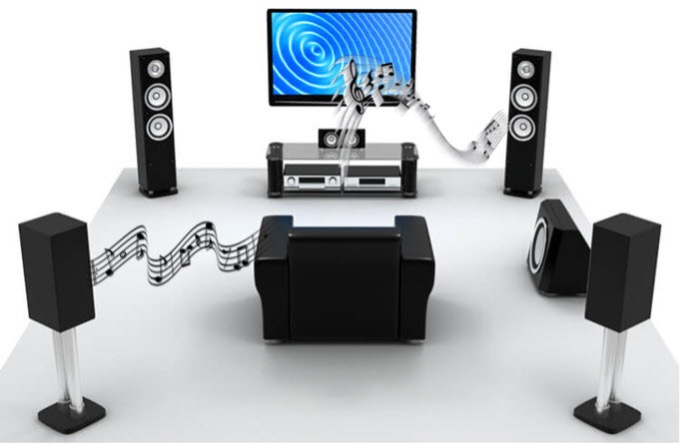
When it involves enhancing your TV’s audio, you’ve received two choices: you may construct a multi-speaker surround-sound setup full with an AV receiver and wherever between 3 and 12 speakers or you should buy a soundbar. For most individuals, the fee and energy concerned with a multi-speaker setup are off-putting – and utilizing a single soundbar delivers audio expertise that’s nearly as good.
At BestReviews, we’re on a mission to offer essentially the most dependable and unbiased product opinions on the web. We consider in merchandise from all angles – the professionals, the cons, and the compromises – and serving to our readers make the best decisions based mostly on their wants. Keep studying for our best soundbars. Then, when you will have a thought of what options you want and the way a lot you need to spend, try the desk above to see which fashions we advocate most.
Why You Need a Soundbar?
We have but to check a contemporary TV that did not sound crummy without some type of audio accent added. That’s principal because of the method trendy fashions are designed: Great-sounding speakers are bulky, and as TVs have gotten thinner, with shrinking bezels and sleeker designs, producers are having a more durable time constructing in nice sound.
Even for those who can solely afford to spend $150 on a brand new soundbar with a subwoofer, it’s essential to getting the most out of your viewing experience. To assist, we put collectively this checklist of the best soundbar bundles we have examined, and we included just a little recommendation on how you can benefit from them.
Soundbar Audio Formats Explained
Before comparing models, it helps to understand the audio formats each soundbar supports. The format determines what the bar can actually decode — not just how loud it can play.
Dolby Digital
Dolby Atmos
DTS
DTS-HD-MA
The Best Soundbars for Every Budget | 4K LED (Review)


LG SL10YG 5.1.2 ch Dolby Atmos Sound Bar Audio System

The LG SL10YG is an honest 5.1.2 soundbar system. It has a really exciting sound profile with overemphasized bass and treble ranges. It may also get fairly loud and performs fairly well at a max volume too. It has loads of connection choices and helps object-based sound codecs like Atmos. It may also passthrough high-quality alerts when utilizing the bar as a hub on your units. However, the SL10YG has poor surrounds efficiency, and its sound profile adjustments drastically with Atmos content material.
Decent for blended utilization. This bar has an exciting sound profile, which makes the bass and treble ranges extra emphasized. This leads to an honest efficiency for voices and dialogue in motion pictures, however, it provides a thrilling sound for music and films. It additionally helps Atmos for extra immersive expertise. Unfortunately, its soundstage is pretty slender.
Features
- LG Sound Bar SL10YG includes Meridian’s advanced digital signal processing technology.
- The LG Sound Bar SL10YG meets Dolby Atmos and DTS:X to truly immerse you in the movies you love. The SL10YG supports 570W, 5.1.2 ch Dolby Atmos with an up-firing speaker.
- High-Resolution Audio delivers 192kHz sampling rates and 24bit depth, both of which can contribute to the more accurate sound, and more enjoyable listening experience.
- LG Sound Bar with the Google Assistant
- Harmonious TV Matching Design
- Chromecast built-in
- Versatile Connectivity
- Wall Mount
Check on Amazon
Samsung Harman Kardon HW-Q90R Acoustic Beam Q90R Series Soundbar
You wish to add high quality 7.1. encompass to your front room with a minimum of fuss, the Samsung HW-Q90R is the best way to go, though you’ll pay a reasonable penny for it. With an inventory value of $1,700, the HW-Q90R is among the many priciest soundbars we’ve ever examined, and whereas we shortly turned enamored of its rich, thrilling sound, we had been disenchanted by such lacking options as an evening mode and room correction. The soundbar itself can also be fairly heavy, broad, and bulky, which suggests it would block the underside of your display in the event you put it instantly in the entrance of your TV on a desk or credenza.
We must also level out a problem that dogged early adopters of the HW-Q90R: frequently dropped connections between the primary soundbar unit and its wi-fi encompass speakers and subwoofer. A firmware replace has largely ironed out these kinks, though I did have some minor pairing points throughout setup.
The HW-Q90R’s two HDMI inputs will let you join two video sources on to the soundbar, an uncommon (and often expensive) luxurious on the subject of soundbar designs. If you’ve got greater than two video sources and also you don’t wish to take care of yanking HDMI cables, you would join your video elements to your TV after which ship audio to the soundbar through HDMI ARC. I used the latter setup with my LG C9 TV and it laboured flawlessly.
Samsung’s newest soundbars have impressed me with their huge, highly effective sound, and the top-of-the-line HW-Q90R is (as one would hope) the best of the bunch, boasting a large soundstage (due to these side-firing drivers), deep however not overpowering bass, and refined high-end particulars. You’d anticipate nothing much less from a soundbar this expensive, and fortunately, the HW-Q90R delivers.
First, just a few phrases in regards to the HW-Q90R’s quartet of sound modes. First, there’s the Standard mode, which presents the audio roughly as its creators supposed, and without any upmixing for the peak or further encompass channels. Adaptive mode is just like Standard mode, besides it’s designed to spice up the sound of dialog. Game Pro mode considerably boosts the width of the soundstage and provides some peak presence (or at the least, that’s the way it sounds to my ears). Finally, Surround mode up mixes all sound sources to 7.1.4 audio, good for individuals who wish to hear these peak channels even whereas they’re watching 5.1 and even stereo content material. Unfortunately, there’s no night time mode, so that you’ll watch out when cranking the volume whereas your housemates and neighbors are dozing.
Check on Amazon
Sony ST5000 7.1.2ch 800W Dolby Atmos Soundbar with Wireless Subwoofer

The Sony HT-ST5000 is a good 7.1.2 soundbar setup. It’s very well-built and helps just about all audio format choices, together with Dolby Atmos. Unlike most multi-channel soundbars, it would not include dedicated encompass speakers – all encompass and Atmos channels are situated straight throughout the bar. It would not have side-firing speakers, both – as an alternative, it applies DSP-enabled digital encompass results to its front-firing speakers. It sounds pretty well-balanced total, with plenty of thump and rumble, however, lacks a little bit of element and readability. It additionally tends to compress and warp noticeably at max volume. That mentioned, it has a great stereo soundstage and its Atmos efficiency is not unhealthy, particularly contemplating it solely has up-firing speakers straight on the bar.
The Sony HT-ST5000 is respectable for blended utilization. It does alright with music, though it tends to compress at larger volumes and lacks a little bit of element. It’s an inexpensive choice for watching the information or your favorite TV programs because of its dedicated heart channel. It’s additionally passable for motion pictures since it might deliver a lot of thump and rumble, however, its encompass efficiency isn’t the best.
Check on Amazon
Bose Solo 5 TV Soundbar Sound System with Universal Remote Control

The Bose Solo 5 is a good sounding soundbar in terms of stereo content material, but it surely won’t be nice for encompass sound expertise. It has a reasonably good and impartial audio copy, however, this bar lacks fairly a little bit of bass, which might be partially defined by the truth that it’s lacking a wi-fi subwoofer. This means it won’t be nice for the bass-heavy content material. It additionally doesn’t help Atmos and top channels, which won’t be nice for films, and doesn’t even help DTS, which is kind of frequent on Blu-ray discs. On the upside, this bar is well-built and will probably be a good possibility for audio content material like podcasts, audiobooks, and TV reveals the place dialogue is an important factor.
Okay for combined utilization. The Bose Solo 5 sounds respectable, particularly for its small measurement, however solely with stereo content material. It doesn’t get very loud and lacks fairly a little bit of bass too. It additionally lacks top channels and Atmos help, which makes it a sub-par possibility for films. It additionally won’t be the best possibility for bass-heavy music genres. On the upside, it has nice mid and treble copy and can carry out decently well for dialogue-oriented content material like podcasts, audiobooks, and TV reveals.
Voices are projected higher and with good readability (a lot in order that we didn’t really feel the necessity to use the included dialogue mode), and the general presentation has extra physique and solidity to it, avoiding the skinny, laborious sound that many slim TVs are inclined to have. The midrange is targeted and direct, with a managed, crisp treble.
Look deeper than that, although, and there’s little extra to it. Sure, there may be a higher weight on supply than most TVs can muster, however, bass continues to be missing in absolute phrases.
This implies that in terms of giving any sense of punch or impression to massive explosions or motion scenes, the Solo 5 falls quickly. There is a bass increase possibility, which can assist the low finish sound just a little extra substantial, but it surely additionally sacrifices some midrange readability.
Check on Amazon

VIZIO SB46514-F6 46″ 5.1.4 Home Theater Sound System with Dolby Atmos
Good for blended utilization. The total efficiency of the Vizio SB36514-F6 is kind of good and will probably be appropriate for all sorts of content material. Its correct and impartial sound profile will probably be nice for voice-oriented content material like TV exhibits and podcasts, and also will be appropriate for many music genres, with a bit of additional bass. For motion pictures, this bar helps Atmos and supplies immersive listening expertise because of dedicated encompass speakers.
The full-featured Vizio SB46514-F6 is the best soundbar you could find within the $1,000-or-less value range. This is a real Dolby Atmos–successful soundbar that features two rear speakers and 4 upward-facing speakers that bounce sound results off your ceiling to create a higher sense of top and an extra dynamic, enveloping listening expertise. Its wi-fi 10-inch subwoofer reproduces the deepest bass notes in motion pictures and music higher than the smaller subwoofers packaged with most soundbars. The SB46514-F6 is prepared for all present video and audio content material, supporting 4K HDR video pass-through and wi-fi music streaming by way of Bluetooth and Chromecast, and it’s suitable with Google Assistant units for voice control.
If you don’t want Dolby Atmos or separate encompass speakers however desire a three-channel soundbar-with-subwoofer that sounds nice, we suggest the Definitive Technology Studio Slim. This fashionable, low-profile soundbar isn’t as full-featured because the Vizio SB46514-F6; it lacks HDMI video inputs, Dolby Atmos assist, and the power so as to add encompass speakers. You nonetheless get HDMI ARC for straightforward connection and control by means of your TV, plus Bluetooth and Chromecast wi-fi music streaming and Google Assistant compatibility.
Check on Amazon

Klipsch BAR 48 Sound Bar + Wireless Subwoofer
The Klipsch Bar 48 is a mediocre sounding 3.1 soundbar setup that lacks bass, even when it has a subwoofer, however, it has an honest general sound with stereo content material. This configuration additionally means it does not help top channels and Atmos for an immersive encompass sound expertise, and it’ll additionally downmix all 5.1 content material. It additionally lacks HDMI In inputs and might not play uncompressed files. On the upside, the setup is pretty trendy, particularly the picket sub, and it is decently well-built. It additionally has a Dialogue Enhancement function to assist make voices clearer, particularly at a decrease volume, and it may possibly additionally get very loud, which is nice for big rooms or crowded environments.
Mediocre for combined utilization. The Klipsch Bar 48 has a vivid sound profile that will not be nice for bass-heavy music and films. It additionally lacks help for top channels, and will not provide you with immersive listening expertise since it is going to downmix encompass sound content material. The Bar 48 soundstage can be a bit disappointing and pretty slender. It will carry out best with stereo voice-oriented content material like podcasts and audiobooks.
The headline function is the usage of horn-loaded tweeters – one thing of a Klipsch specialty. These permit for better sensitivity and will lead to superior audio efficiency, particularly when mixed with loads of power and a separate sub.
Thankfully, it completely performs within the audio division. That’s a factor as a result of, except for its horn-loaded tweeters, this soundbar is mild on options: There’s a backlit distant, however solely a single HDMI-ARC connection, and no help for object-based and even lossless audio.
The BAR 48’s greatest asset is its dedicated center speaker, which ensures that dialogue stays clear and targeted on the display screen. Whether it’s the information, a sports activities broadcast, or your favorite sport present, this soundbar will deliver the vocals with a delightful accuracy that ensures you won’t miss a single phrase.
The music stays completely balanced both facet of the display screen, and dialogue retains readability and focus. The system additionally has loads of headroom, and the sub mines the sonic depths. The one drawback is a scarcity of encompassing presence, even with the Surround mode engaged. If you wish to absolutely reproduce a 5.1 combine, you’ll have to put money into Klipsch’s wi-fi encompass speakers.

The Yamaha YAS-209 is a well-designed soundbar and subwoofer mixture that produces as surprisingly huge sonic presence, and because of Amazon Alexa, it additionally doubles as a fully-functioning sensible speaker. The lack of MusicForged is disappointing however finally forgivable at this value.
The Yamaha YAS-209 is an entry-level 2.1-channel soundbar and subwoofer mixture that advantages from the corporate’s years of expertise within the soundbar market and contains DTS Virtual:X psychoacoustic processing to create an extra immersive sonic expertise.
To hit a lower cost level Yamaha has dropped its MusicForged multiroom system – which is a bit disappointing – however as a substitute has added Amazon Alexa compatibility, making the YAS-209 smarter than your common soundbar.
The Yamaha YAS-209 is a train in minimalism, with curved edges and a wrap-around black cloth grille. The top can also be matte black, so no hazard of annoying reflections from the TV display. The construct of high quality is nice and the design will pair well with TVs which can be between 55 to 65 inches. There’s a choice between stand or wall mounting, with screw holes and a template for the latter.
The YAS-209 helps WAV (PCM format solely) and FLAC as much as 192kHz, ALAC as much as 96kHz, and MP3/WMA/MPEG-Four AAC as much as 48kHz, and you’ll stream music from sensible gadgets, PCs or media servers. The inclusion of Alexa not solely lets you stream from Spotify and Amazon Music, but additionally turns this soundbar into a sensible speaker, with full interplay and voice control.
The HDMI connections provide the best sound of high quality and the best comfort. Despite there being an HDMI enter, you may merely join all of the HDMI sources to your TV after which ship the audio again through ARC (audio return channel). This strategy additionally lets you make the most of CEC (client electronics control) and function the soundbar along with your TV distance.
Check on Amazon
Soundbar Comparison Table (2026)
The table below summarizes the seven soundbars reviewed in this guide so you can compare them on the specs that matter most before reading the individual reviews.
| Model | Channels | Dolby Atmos | Subwoofer | HDMI Inputs | Price Tier | Best For |
|---|---|---|---|---|---|---|
| LG SL10YG | 5.1.2 | Yes (plus DTS:X) | Wireless | Yes | Premium | Atmos immersion with Meridian tuning |
| Samsung HW-Q90R | 7.1.4 | Yes (plus DTS:X) | Wireless + rear speakers | 2 | Premium ($1,700) | Widest soundstage and rear-channel immersion |
| Sony ST5000 | 7.1.2 | Yes | Wireless | Yes | Premium | All-in-one bar with no rear speakers needed |
| Bose Solo 5 | 2.0 | No | No | No | Budget | Dialogue clarity for news and podcasts |
| VIZIO SB46514-F6 | 5.1.4 | Yes | Wireless 10-inch + rear speakers | Yes | Mid-range | Best Atmos value under $1,000 |
| Klipsch BAR 48 | 3.1 | No | Wireless | No (HDMI-ARC only) | Mid-range | Horn-loaded dialogue clarity |
| Yamaha YAS-209BL | 2.1 | No (DTS Virtual:X) | Wireless | Yes | Budget | Smart speaker + soundbar combo with Alexa |
Soundbar Buying Guide: Choosing the Best Soundbar for Every Budget
The seven soundbars above span roughly $150 to $1,700, and the differences between the price tiers are not just about loudness. This guide explains what you actually get at each price point and which features matter most for a typical living room.
Soundbar Budget Tiers: What You Get at Each Price Point
| Budget Tier | Typical Price | What You Get | What You Give Up |
|---|---|---|---|
| Budget | $150–$300 | 2.0 or 2.1 channels, wireless subwoofer, HDMI ARC, Bluetooth, clear dialogue | No Atmos, no rear speakers, limited bass, fewer inputs |
| Mid-range | $300–$800 | 3.1 or 5.1 channels, wireless subwoofer, HDMI eARC, Dolby Atmos on some models, stronger bass | Rear speakers may be optional add-ons; calibration is basic |
| Premium | $800–$1,200 | 5.1.2 or 5.1.4 channels, wireless subwoofer, real Atmos with up-firing drivers, rear speakers included | No major trade-offs; the price itself is the barrier |
| Flagship | $1,200+ | 7.1.4 channels, rear speakers, dual HDMI inputs, room calibration, all major audio codecs | Large footprint, heavy, may not fit under a standard TV |
How to Match a Soundbar to Your Room Size
A soundbar that fills a small bedroom will disappear in an open-plan living room. The general rule is that bigger rooms need more power, more channels, and a stronger subwoofer.
- Small rooms (under 200 sq ft): A 2.0 or 2.1 bar is enough. The Bose Solo 5 and Yamaha YAS-209BL both work well in bedrooms and small apartments.
- Medium rooms (200–400 sq ft): A 3.1 or 5.1 bar with a wireless subwoofer. The Klipsch BAR 48 and VIZIO SB46514-F6 are good fits.
- Large rooms (400+ sq ft) or open plan: A 5.1.2 or 7.1.4 setup with rear speakers. The Samsung HW-Q90R and LG SL10YG are designed for this size.
- Ceiling height matters too. Atmos up-firing speakers need a flat, reflective ceiling between 8 and 12 feet high to bounce sound correctly. Very high or vaulted ceilings reduce the effect.
Channel Counts Explained: 2.0, 2.1, 3.1, 5.1, and 7.1.4
The numbers tell you how many speakers the system has and where they are placed. The first number is the total speaker count, the second is the subwoofer (0 or 1), and the third (if present) is the number of height or up-firing channels.
- 2.0: Two channels, no subwoofer. Dialogue is clear but bass is limited. The Bose Solo 5 is 2.0.
- 2.1: Two channels plus a subwoofer. The Yamaha YAS-209BL is 2.1.
- 3.1: Three channels (left, center, right) plus a subwoofer. The Klipsch BAR 48 is 3.1, which is why its dialogue is so clear.
- 5.1: Five channels (left, center, right, and two rears) plus a subwoofer. Full surround sound for most living rooms.
- 5.1.2: Five channels plus two height channels. The LG SL10YG is 5.1.2.
- 5.1.4: Five channels plus four height channels. The VIZIO SB46514-F6 is 5.1.4.
- 7.1.4: Seven channels plus four height channels. The Samsung HW-Q90R is 7.1.4, the most immersive setup in this guide.
The Single Most Important Feature: HDMI ARC or eARC
If you only check one spec before buying, check whether the soundbar supports HDMI ARC or eARC. This connection lets the soundbar receive audio from the TV over the same HDMI cable that carries the picture, using the TV’s remote to control volume. Without ARC, you have to rely on optical cables, which cannot carry Dolby Atmos or DTS:X.
- HDMI ARC: Supports up to Dolby Digital Plus and compressed 5.1. Good enough for most mid-range bars.
- HDMI eARC: Supports uncompressed Dolby Atmos, DTS:X, and lossless audio. Required for premium setups.
- Optical: Supports only compressed 5.1. Works with every TV but cannot carry Atmos or DTS:X.
- Bluetooth and Wi-Fi: For music streaming from phones and tablets, not for TV audio.
Soundbar Specs Explained
Soundbar spec sheets use terms most buyers have never seen before. This table translates the most common specs into plain English.
| Spec | What It Means | What to Look For |
|---|---|---|
| Total Watts | The combined amplifier power of the soundbar and subwoofer | 150–300W for small rooms; 300–600W for medium; 600W+ for large rooms |
| Channels | The number and placement of speakers (see channel count section above) | 2.1 for bedrooms; 3.1 to 5.1 for living rooms; 5.1.2+ for Atmos |
| Subwoofer Size | The diameter of the subwoofer driver | 8″ for small rooms; 10″ for medium; 12″ for large |
| Frequency Response | The range of frequencies the system can reproduce | Aim for 40Hz on the low end for movies; 60Hz is acceptable for dialogue |
| HDMI Inputs | The number of HDMI sources you can plug directly into the soundbar | One is fine for TV-only use; two or more for consoles and streaming boxes |
| HDCP 2.2 | Copy protection support for 4K content | Required for passing 4K HDR from a source through the soundbar to the TV |
| Dolby Atmos / DTS:X | Object-based audio formats that add height channels | Required for genuine immersive audio; virtual Atmos is simulated and less effective |
| Room Correction | Built-in calibration that adjusts the sound to your room | Nice-to-have on premium bars; essential if the bar sits near a wall or inside a cabinet |
Soundbar Placement and Room Size
Placement has more impact on a soundbar’s performance than the brand or the price. A well-placed mid-range bar will outperform a poorly placed premium bar in the same room.
Where to Place a Soundbar Under a Wall-Mounted TV
- Mount it centered under the TV, aligned with the screen’s horizontal center. Off-center placement pulls dialogue to one side.
- Leave 10–15 cm (4–6 inches) of clearance between the soundbar and the bottom of the TV so the up-firing speakers and TV remote sensor are not blocked.
- Do not place it inside a cabinet. Cabinets trap sound, muffle dialogue, and block Atmos height effects. If you must use a shelf, push the bar to the front edge.
- Angle it slightly upward if the tweeters sit below ear level. Many bars are designed to be placed on a TV stand with a slight tilt.
- Keep the subwoofer on the floor, near a corner or against a wall, not inside a cabinet.
How Room Size Changes What a Soundbar Can Do
Soundbars rely on room reflections to simulate surround sound. In a small, enclosed room, reflections arrive quickly and the simulated surround is convincing. In a large, open-plan room, reflections are lost and the simulated surround collapses into a stereo image. This is why buyers in large rooms are often disappointed with Atmos soundbars that sound impressive in a demo room.
- Small, enclosed rooms: Simulated surround works well. Even a 2.1 bar can feel immersive.
- Medium rooms: Real rear speakers make a noticeable difference. Choose 5.1 over 3.1.
- Large or open-plan rooms: You need real rear speakers and a strong subwoofer. A soundbar alone cannot fill the space.
- Hard floors and bare walls: Reflections are strong, which helps simulated surround but also creates harsh treble. A rug and soft furnishings balance the room.
Soundbar Connectivity: HDMI ARC, Optical, Bluetooth, and Wi-Fi
The connection you use determines what audio formats you can actually hear. Most buyers plug in the cable that came in the box and never think about it again, but the difference between optical and eARC is the difference between compressed 5.1 and uncompressed Atmos.
HDMI ARC vs. eARC vs. Optical
| Connection | Max Audio Quality | Pros | Cons |
|---|---|---|---|
| HDMI eARC | Uncompressed Dolby Atmos, DTS:X, lossless audio | One cable, TV remote controls volume, all formats supported | Requires both TV and soundbar to support eARC |
| HDMI ARC | Compressed Dolby Atmos and Dolby Digital Plus | One cable, TV remote controls volume | Cannot carry DTS:X or uncompressed audio |
| Optical (TOSLINK) | Compressed Dolby Digital and DTS 5.1 | Works on every TV ever made | No Atmos, no DTS:X, no volume control from TV remote in most cases |
| Bluetooth | Compressed stereo | Streams from phones and tablets | Not suitable for TV audio; latency and compression |
| Wi-Fi | Lossless music streaming (varies by app) | High-quality music, multi-room audio, app control | Not used for TV audio; requires stable network |
How to Calibrate Your Soundbar for Your Room
Every soundbar sounds different in every room. Calibration adjusts the built-in EQ and surround simulation to the specific acoustics of your space. It takes about ten minutes and is one of the highest-impact setup steps you can take.
Running the Built-In Calibration
- Place the soundbar where it will permanently live. Calibration is room-specific, so moving the bar later invalidates it.
- Connect the included calibration microphone (if the soundbar has one) to the port on the bar or subwoofer.
- Mount the microphone at ear height in your main listening position, ideally on a tripod or stand so it is not reflecting off furniture.
- Run the calibration from the soundbar’s menu or app. The bar will play a series of test tones through each speaker and measure the response.
- Do not make noise during the calibration. Even a cough or a phone notification can affect the measurements.
- Review the results and adjust the center channel up 1–2 dB if dialogue still sounds quiet after calibration.
Adjusting the Subwoofer and Center Channel
- Center channel: Increase it by 1–2 dB if dialogue sounds buried under music and effects.
- Subwoofer: Decrease it by 2 dB if the bass sounds boomy, especially at night.
- Rear speakers (if you have them): Adjust the distance setting so the rear channel arrives at the listening position at the same time as the front.
- Dialogue enhancement: Turn it on for films with quiet dialogue and off for music, where it can distort vocals.
Tips for Best Soundbars for Every Budget | 4K LED
As you’re purchasing for a soundbar, take into account the following pointers.
Measure the horizontal width of your 4K LED earlier than purchasing for a soundbar.
The TV sizes that we discuss (like 55 or 65 inches) really measure the diagonal distance of the TV display screen, however, while you’re soundbars, you could know the width of the set. Once you understand how vast your set is, you possibly can then get a way of how massive of a soundbar to purchase. Your LG soundbar doesn’t should be the very same width as your TV, but when it’s too small or too massive, it could look peculiar beneath your TV.
If you propose to mount your soundbar to a wall, be sure you are drilling into the studs behind the wall for optimum stability.
Soundbars might be heavy, and when you mount one on drywall alone, there’s an honest probability it’ll come crashing down earlier than too long. Don’t take any probabilities – even when you must purchase a stud finder to find out the place they’re.
If you purchase a soundbar that helps any sort of side or rear-channel audio, undergo the soundbar’s built-in calibration course of earlier than you do the rest.
LG soundbars that assist encompass sound normally simulate the sound by utilizing the room’s acoustics to bounce sound to varied areas. In order for the simulated sound to be efficient, the soundbar must be calibrated to the precise room. As quickly as your soundbar is plugged in and arrange the place it’ll stay, undergo the calibration course to show your soundbar about its native sonic surroundings.
Soundbar Troubleshooting: Common Problems and Fixes
Even a well-set-up soundbar can develop issues. These are the most common problems and the fastest fixes for each one.
| Problem | Likely Cause | Fix |
|---|---|---|
| No sound at all | Wrong input selected, or TV audio output still set to internal speakers | Press “Source” on the soundbar to cycle inputs; change the TV audio output to the soundbar in the TV settings |
| Dialogue sounds quiet, effects loud | Center channel level too low, or Dialogue Enhancement off | Increase the center channel by 1–2 dB; turn on Dialogue Enhancement mode |
| Bass is boomy | Subwoofer too close to a wall or corner | Move the subwoofer 30–50 cm away from walls; reduce subwoofer volume by 2 dB |
| No Atmos from a Blu-ray or streaming app | Optical cable used instead of HDMI eARC, or the source app is set to stereo | Switch to HDMI eARC; confirm the streaming app is set to “Dolby Atmos” in its audio settings |
| Soundbar not detected by the TV remote | HDMI-CEC disabled on the TV | Enable Anynet+ (Samsung), Bravia Sync (Sony), or Simplink (LG) in the TV settings |
| Bluetooth pairing fails | Old pairing still stored in the phone or TV | Forget the soundbar in your phone’s Bluetooth settings and re-pair from scratch |
| Wi-Fi or app connection drops | Router on 5 GHz only, or soundbar out of range | Enable the 2.4 GHz band, move the soundbar closer to the router, or update firmware |
| Subwoofer not connecting | Wireless ID SET not run, or the subwoofer is out of range | Run the ID SET procedure from the soundbar menu, move the sub closer during pairing |
| Soundbar turns itself off | Auto-off timer enabled, or power-saving mode | Disable auto-off in the soundbar settings or the app |
| Sound is delayed compared to the picture | Lip-sync delay, or processing lag from the TV | Use the soundbar’s AV Sync or Lip Sync adjustment; enable “Game Mode” on the TV for lower latency |
When to Upgrade Your Soundbar
Soundbars are not designed to last forever, but most buyers replace them too early or too late. These are the practical signs that a new bar would actually make a difference.
Signs Your Current Soundbar Is Holding You Back
- You upgraded your TV to 4K or 8K and the soundbar cannot pass HDR or eARC. A 1080p-era soundbar will limit a modern TV’s video capabilities.
- Dialogue is still hard to hear at normal volume. This usually means the center channel or the bar’s processing is inadequate for your room.
- You have moved to a larger room. The bar that filled your apartment will not fill a house’s living room.
- The subwoofer has failed or no longer connects reliably. Subwoofer replacement is rarely cost-effective on older bars.
- You want real surround sound. If you have tried to add rear speakers and the bar does not support them, it is time to upgrade to a system that does.
- The bar lacks HDMI inputs and you have added a console or streaming box. Without HDMI inputs, you rely on the TV to pass audio back to the bar, which is less reliable and often loses formats.
- You use the bar as a music system. Music streaming quality on older bars is often poor; a newer bar with Bluetooth 5.0 or Wi-Fi streaming will sound noticeably better.
When You Do Not Need to Upgrade
- The bar still handles your formats (Dolby Digital, DTS, stereo music) correctly.
- Dialogue is clear and the bass is adequate for your room.
- Your TV and the bar are both 1080p-era and you do not plan to upgrade the TV.
- You only watch streaming services in stereo, not Blu-rays or Atmos content.
Soundbar Glossary
These are the terms you will see in soundbar product listings, reviews, and manuals.
| Term | Meaning |
|---|---|
| Soundbar | A single wide speaker that sits under or in front of a TV to replace or augment the TV’s built-in speakers |
| Subwoofer | A dedicated speaker for low frequencies, usually wireless on modern soundbars |
| Center channel | The speaker channel that handles dialogue and front-center action in a surround setup |
| Up-firing driver | A speaker angled upward to bounce sound off the ceiling, used to simulate height effects for Atmos |
| HDMI ARC / eARC | A connection that lets the soundbar receive audio from the TV over HDMI, using one cable and one remote |
| HDMI-CEC | A protocol that lets HDMI-connected devices control each other, such as using the TV remote to adjust the soundbar volume |
| Dolby Atmos | Object-based surround format that adds height channels above the listener |
| DTS:X | A rival object-based surround format from DTS, similar in concept to Atmos |
| Dolby Digital | The most common compressed surround format, up to 5.1 channels |
| DTS-HD Master Audio | An uncompressed lossless surround format found on Blu-rays, up to 7.1 channels |
| Virtual surround | DSP processing that simulates surround sound from a single bar without real rear speakers |
| Dialogue Enhancement | A soundbar mode that boosts the center channel frequencies to make voices clearer |
| Night mode | A mode that compresses loud effects and boosts quiet dialogue so you can watch at low volume |
| Lip-sync / AV sync | An adjustment that delays audio slightly to match the picture when the TV processes video more slowly than the soundbar processes audio |
| HDCP 2.2 / 2.3 | Copy protection required to pass 4K and 8K video through a soundbar’s HDMI input |
Final Verdict: The Best Soundbars for Every Budget
The best soundbar for your budget is the one that fits your room, matches your TV, and supports the audio formats you actually watch. In 2026, the range from $150 to $1,700 is wide enough that almost every household can find a bar that meaningfully improves their TV audio.
For most buyers, the sweet spot is the mid-range: a 3.1 or 5.1 bar with a wireless subwoofer, HDMI ARC, and clear dialogue. The Klipsch BAR 48 and VIZIO SB46514-F6 represent that tier well. Buyers who want genuine Atmos immersion should look at the LG SL10YG, Samsung HW-Q90R, or VIZIO SB46514-F6 — but only if their room and content justify the price. And buyers on a strict budget should not overlook the Yamaha YAS-209BL, which combines a soundbar, a wireless subwoofer, and Amazon Alexa in a single sub-$300 package.
Whatever you choose, follow the setup rules in this guide: place the bar centered under the TV with clearance, connect via HDMI ARC or eARC, run the calibration, and adjust the center channel and subwoofer to taste. A well-set-up mid-range bar will outperform a poorly set-up premium bar in almost every living room.


[…] higher RCA cables. Also, you would possibly wish to add an amplifier or subwoofer to your car for better music experience. If that is the case, then you might have to spend money on new RCA cables. Basically, RCA cables […]
[…] The Best Soundbars for Every Budget | 4K LED […]
[…] The Best Soundbars for Every Budget | 4K LED […]
[…] You May Also Like The Best Soundbars for Every Budget | 4K LED […]