
Mid Speaker Guide: How to Choose a Midrange Driver (2026)
The midrange is where most of the music actually lives. Vocals, guitars, pianos, and the fundamental notes of nearly every instrument sit in roughly the same frequency band, which means the quality of your mid speaker — the midrange driver — has more influence on how a system sounds than almost any other component. A system with a brilliant tweeter and a powerful subwoofer can still sound hollow, muddy, or fatiguing if the midrange is weak.
This mid speaker guide explains what a midrange driver does, the specifications that actually matter, how to match a driver to your system, and the mistakes that cause the most disappointing results — whether you are building a car audio system, a home hi-fi setup, or a studio nearfield monitor.

What Is a Mid Speaker?
A mid speaker, more commonly called a midrange driver, is the component responsible for reproducing the middle portion of the audible frequency spectrum. In most multi-way systems, the tweeter handles the treble, the woofer handles the bass, and the midrange driver fills the space between them.
In practice, that means the midrange carries the frequencies where human hearing is most sensitive and where the ear is most skilled at detecting distortion, coloration, and imbalance. Speech intelligibility, vocal tone, and the sense of instruments occupying real physical space all depend on this band being reproduced cleanly. The midrange reproduces much of the vocal range and the character of musical instruments, and must be matched to the original design both electrically and mechanically.
What Frequency Range Does a Mid Speaker Cover?
There is no single standard range, because crossover design varies enormously between systems. As a general guide, midrange drivers are typically asked to cover somewhere between roughly 200 Hz and 4,000 Hz. Teufel’s audio reference puts a dedicated midrange at 400 to 2,500 Hz in a typical three-way design, while car audio specialists describe the midrange band as roughly 250 Hz to 4,000 Hz.
Where the exact boundaries fall depends on the other drivers in the system and on the crossover point chosen by the designer. A car audio midrange designed to pair with a subwoofer and a tweeter will usually be crossed higher at the bottom than a home audio midrange in a floorstanding tower.
Mid Speaker vs Midbass: What’s the Difference?
This is one of the most-searched questions on audio forums, and the answer explains why system design matters so much. A midrange and a midbass driver are not the same component, and they are not interchangeable without consequences.
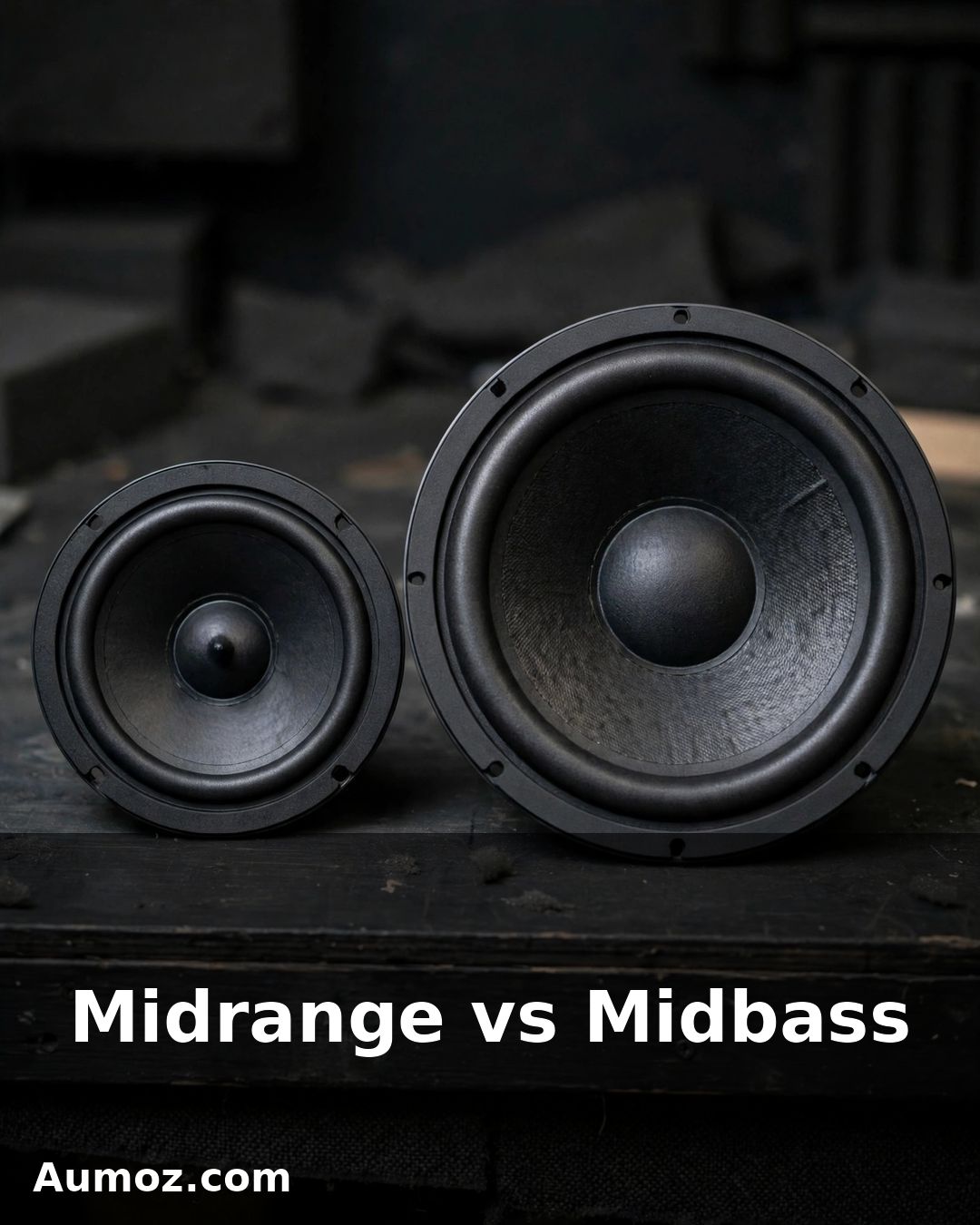
A midrange driver is optimized for the vocal band. It typically covers roughly 250 Hz to 3,000–4,000 Hz, prioritizes low distortion and smooth response in that range, and is crossed steeply at the bottom so it never receives deep bass. A midbass driver extends lower, often down to 50–80 Hz, and bridges the gap between the midrange and the subwoofer. Its job is to add warmth and body below the vocal band while still integrating cleanly with the midrange above it.
In a three-way system, both are used: the midbass handles roughly 60–300 Hz, the midrange handles roughly 300 Hz to 3 kHz, and the tweeter takes over above that. In a two-way system, a single mid-woofer covers both roles, which is why two-way bookshelf speakers and car component sets rarely deliver the same vocal clarity as a well-designed three-way.
The practical takeaway: if you are adding a dedicated midrange to an existing two-way car system, buy a matched three-way component set rather than dropping in a standalone driver. Mismatched sensitivity, impedance, and crossover behavior will usually sound worse than the two-way setup you started with.
Why the Midrange Matters More Than the Extremes
Human hearing is not linear. Sensitivity peaks in the region around 2,000 to 4,000 Hz and drops noticeably above and below it. That physiological fact has a direct consequence for speaker design: a small error in the midrange is far more audible than the same error in the treble or bass.
A gentle dip at 800 Hz can make voices sound thin and distant. A peak at 2 kHz can make a system sound harsh and forward. Neither problem will show up dramatically in a simple frequency response chart, but both will be obvious in a listening session. This is why experienced listeners often judge a system by its midrange first, and why upgrading a weak midrange driver frequently produces a bigger perceived improvement than upgrading anything else.
The midrange also determines whether your system sounds natural or fatiguing over long sessions. A midrange that is overemphasized sounds harsh; one that is weakened sounds distant and unintelligible. Getting it right is the difference between a system you can listen to for hours and one you turn off after twenty minutes.
Types of Midrange Speakers
Midrange drivers are built for very different environments, and a driver designed for one will perform poorly in another. The four main categories cover most of the market.
Car Audio Midrange Speakers
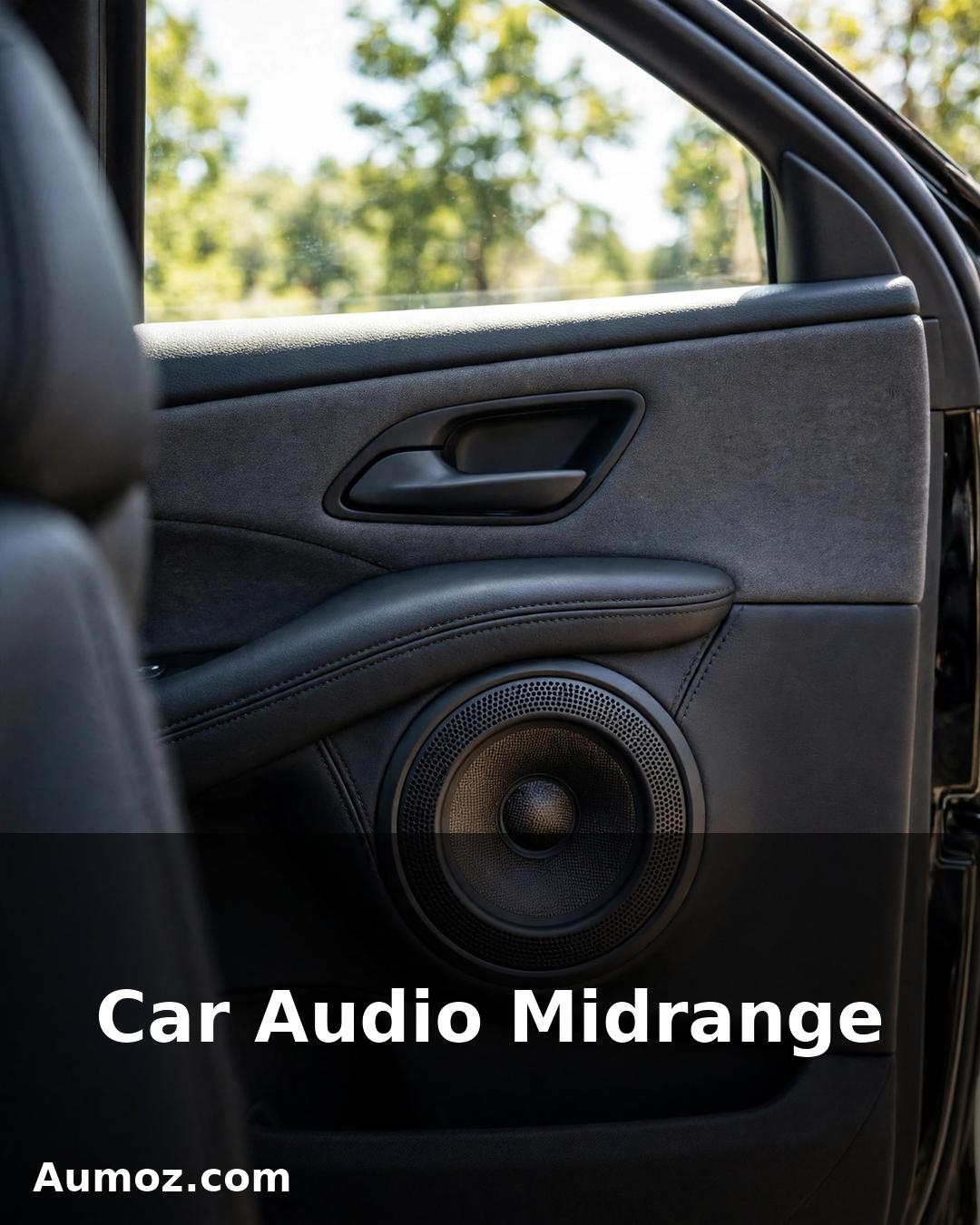
Car audio midranges are usually compact, typically between 2 and 4 inches in diameter, and designed to fit in doors, pillars, or custom kick panels. They prioritize sensitivity and power handling because cabin noise and limited amplifier headroom make efficiency valuable. Most car systems use a midrange in either a two-way component set paired with a tweeter, or a three-way set that adds a dedicated mid-bass driver. Mounting depth is often the limiting factor — a 6.5-inch driver may fit the opening but not the cavity behind it.
Home Audio Midrange Drivers
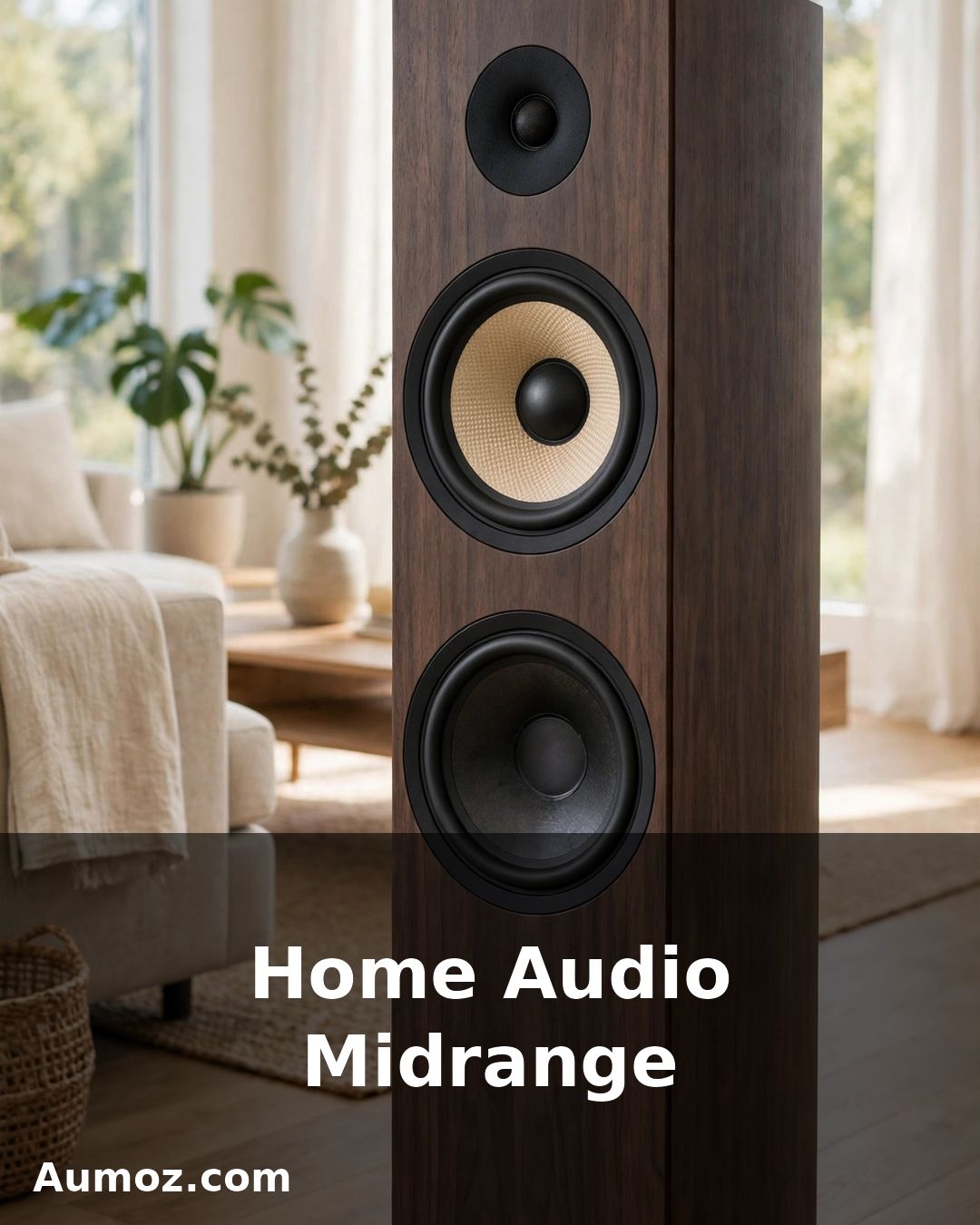
Home audio midranges are larger on average, often 4 to 6 inches, and are usually integrated into a cabinet with a carefully tuned crossover. They are optimized for smooth, low-distortion reproduction rather than raw output. Three-way tower speakers and center channels both rely heavily on a dedicated midrange for dialogue and vocal clarity.
Studio Monitor Midrange Drivers
Studio monitors are designed for accuracy rather than pleasantness, and their midrange drivers reflect that. Expect flatter response, lower distortion, and less coloration, at the cost of being unforgiving of poor recordings. Nearfield monitors used in home studios typically use a 4 to 5 inch mid-woofer with a crossover around 2 to 3 kHz.
PA and Live Sound Midranges
Professional PA midranges prioritize output and durability. They typically use horn-loaded designs to increase efficiency, and they are engineered to survive sustained high SPL without thermal failure. This category is distinct enough that home and car drivers should never be substituted into a PA system, and vice versa. A home driver optimized for a particular listening position will not survive the load of a PA cabinet, and a PA driver will sound harsh and forward in a living room.
Mid Speaker Specifications That Actually Matter
Product pages are dense with numbers, and many of them are close to meaningless in isolation. The six specifications below are the ones that determine whether a driver will work in your system.
Driver Size
Size affects both the frequency range a driver can comfortably cover and how much air it can move. A larger midrange generally reaches lower and plays louder, while a smaller one produces better dispersion at higher frequencies. Size must match the enclosure, the crossover, and the listening distance.
Frequency Response
Frequency response tells you the range a driver can reproduce, but the number alone is misleading. What matters is the shape of the response within that range. A driver rated from 100 Hz to 5 kHz with a 10 dB peak at 1.5 kHz will sound worse than one rated from 300 Hz to 4 kHz with a smooth curve.
Sensitivity
Sensitivity, measured in decibels per watt at one meter, tells you how efficiently the driver converts power into sound. A difference of 3 dB is roughly equivalent to doubling amplifier power. When matching drivers in a system, sensitivity should be within about 2 to 3 dB across all drivers, or the crossover will need to pad the louder ones down. For a midrange-focused setup, aim for sensitivity above 87 dB if your amplifier is modest.
Impedance
Impedance, usually rated at 4 or 8 ohms, must be compatible with your amplifier and with the other drivers in the system. Mixing mismatched impedances across a crossover can produce uneven levels and place unexpected loads on the amplifier. A 4-ohm driver demands more current but can produce more acoustic power from the same voltage. Check both the nominal rating and the impedance curve if the manufacturer publishes one.
Power Handling
Power handling figures are often optimistic. Look for RMS rather than peak ratings, and remember that most midrange drivers in a three-way system receive only a fraction of the total system power because the crossover sends low frequencies elsewhere. A midrange rated at 50W RMS can happily sit in a system driven by a 200W amplifier. Power handling should be assessed within the intended band and with suitable filtering, not as a standalone number.
Cone Material and Motor Design
The cone material influences tone and damping, while the motor design, including magnet type and voice coil construction, influences efficiency and control. Both matter, but neither can be judged from a specification sheet alone. Listening, or reading consistent reviews, is the only reliable test.
Midrange Speaker Size Guide
Size is the first practical decision because it constrains everything else. The table below summarizes typical use cases for each common size.
| Driver Size | Typical Frequency Coverage | Common Use | Notes |
|---|---|---|---|
| 2 to 2.5 inch | 300 Hz to 6 kHz | Car pillars, compact three-way sets | Excellent dispersion, limited output |
| 3 to 3.5 inch | 200 Hz to 5 kHz | Car doors, small satellite speakers | Best balance for tight installations |
| 4 to 5 inch | 100 Hz to 4 kHz | Home bookshelf, studio nearfield, car mid-bass | Most versatile size overall |
| 6 to 6.5 inch | 60 Hz to 3 kHz | Home towers, center channels, car mid-bass | Stronger low end, narrower dispersion |
| 8 inch and larger | 40 Hz to 1.5 kHz | Large home systems, PA, sub-mid duty | Requires careful crossover to avoid beaming |
Cone Materials Compared
Cone material does not determine quality on its own, but it does shape the character of a driver and its suitability for a given environment. Aramid fiber cones offer high stiffness with excellent self-damping, which reduces breakup distortion at high output. Polypropylene delivers a warmer, softer presentation but can lack transient attack. Paper is lightweight and natural-sounding but susceptible to humidity.

| Material | Character | Strengths | Weaknesses |
|---|---|---|---|
| Paper | Warm, natural | Excellent damping, low cost, musical tone | Moisture sensitive, less rigid |
| Polypropylene | Neutral, smooth | Weather resistant, forgiving, good value | Can sound slightly soft in detail |
| Kevlar or aramid fiber | Detailed, controlled | High rigidity, low breakup, clear mids | Can sound forward if poorly tuned |
| Aluminum or alloy | Fast, precise | Excellent transient response, rigid | Harsh breakup if crossed too high |
| Fiberglass or carbon | Balanced, dynamic | Strong stiffness-to-weight ratio | Costs more, varies by construction |
Two-Way vs Three-Way: Where the Midrange Fits
System architecture determines what the midrange is asked to do, and therefore which driver you should buy.
Two-Way Systems
In a two-way system, a single mid-woofer covers everything from roughly 60–80 Hz up to the tweeter crossover point, usually 2–3 kHz. This is the most common design in bookshelf speakers, car component sets, and soundbars. It is cost-effective and simple, but the mid-woofer must handle both midbass and midrange duties, which is a compromise. Vocal clarity often suffers compared to a dedicated three-way design.
Three-Way Systems
A three-way system splits the work: a woofer or midbass handles low frequencies, a dedicated midrange handles the vocal band, and a tweeter handles treble. This allows each driver to operate within its comfort zone, which reduces distortion and improves clarity. The cost is complexity — more drivers, a more sophisticated crossover, and more careful integration. A three-way system is only worth building if the crossover is designed properly; a badly integrated three-way can sound worse than a good two-way.
When to Add a Dedicated Midrange
Add a midrange when you have a specific problem a two-way cannot solve: vocals that sound distant or trapped in the door panel, a soundstage that sits at knee level, or a system that sounds hollow in the middle despite good bass and treble. If your main complaints are weak bass or harsh highs, a midrange upgrade will not fix them — those are separate issues.
Crossovers and Integration
The midrange never works alone. Its performance depends heavily on how it is blended with the drivers above and below it.
Choosing Crossover Points
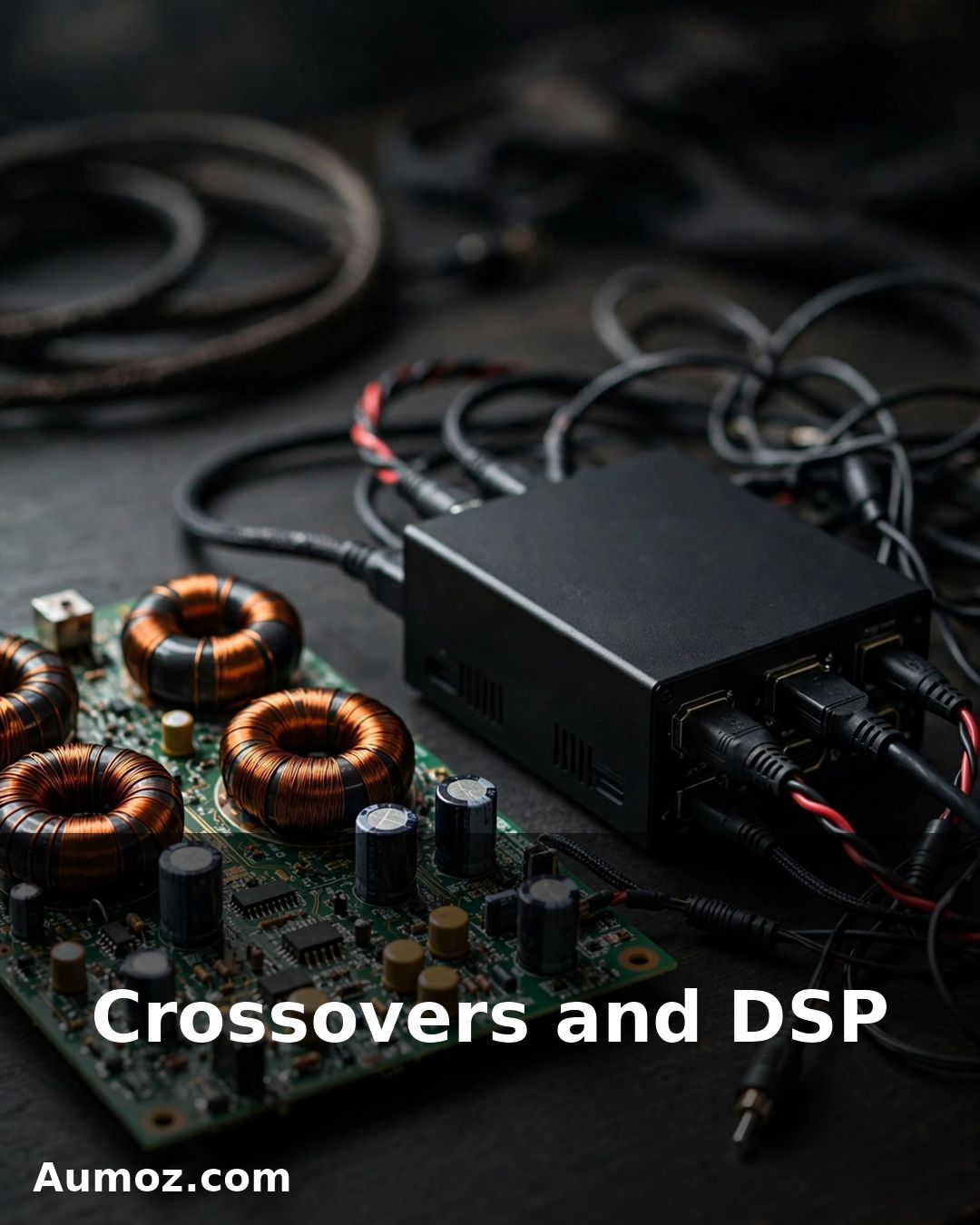
Crossover points should be set within the comfortable range of both drivers being joined. Crossing a midrange too low forces it to reproduce frequencies it cannot handle cleanly, which increases distortion. Crossing it too high pushes it into the region where its dispersion narrows and its response becomes uneven. A typical three-way crossover might set the low point at 300–500 Hz and the high point at 2.5–4 kHz, depending on driver size and capability.
Slopes and Phase Alignment
Steeper crossover slopes, such as 24 dB per octave, protect drivers from out-of-band energy but can introduce phase issues around the crossover point. Shallower slopes preserve phase better but place more demands on each driver. The correct choice depends on the specific drivers, which is why off-the-shelf crossovers rarely perform as well as designed ones.
DSP and Active Crossovers
In car audio, a digital signal processor (DSP) has become the standard way to handle crossover and time alignment. A DSP lets you set crossover points, slopes, EQ, and delay independently for each driver, which is far more precise than passive components. If you are serious about car audio midrange performance, budget for a DSP before you budget for a more expensive driver — the DSP will usually make a bigger difference.
Level Matching
Even drivers with similar sensitivity often need small level adjustments once installed, because the cabinet, the cabin, and the listening position all change the effective balance. A midrange that measures perfectly on a bench can sound recessed once placed low in a car door.
How to Choose a Mid Speaker for Your System
Working through these steps in order prevents the most common compatibility problems.
Step 1: Define the Role the Driver Will Play
Decide whether the midrange is handling vocals only in a three-way system, or covering a wide band in a two-way system. A driver asked to cover 100 Hz to 4 kHz has very different requirements from one covering 500 Hz to 3 kHz.
Step 2: Confirm Physical Fit Before Anything Else
Measure the mounting depth, cutout diameter, and available space in the door, cabinet, or panel. A driver that does not physically fit is not an option regardless of how well it measures. Basket edges and magnet size are common surprises.
Step 3: Check Impedance and Power Compatibility
Match the nominal impedance to what your amplifier expects, and confirm the RMS power rating is realistic for your setup. In a three-way system the midrange receives limited power, so a moderate rating is usually sufficient.
Step 4: Compare Sensitivity Across the Whole System
List the sensitivity of your tweeter, midrange, and woofer. If one is significantly louder than the others, the crossover must compensate, which often introduces its own problems. Drivers within 2 to 3 dB of each other are easy to work with.
Step 5: Look at the Response Curve, Not Just the Range
Prefer a driver with a smooth response through the band it will actually be asked to cover. Ignore peaks or dips outside the crossover points, because the crossover will remove those frequencies anyway.
Step 6: Choose a Cone Material That Suits the Environment
In a car door exposed to moisture and temperature swings, polypropylene or fiberglass is a practical choice. In a controlled home environment, paper and aramid cones are excellent and often more musical.
Top 10 Speakers on Amazon for Great Midrange (2026)
The speakers below were picked for one thing above all: a clean, detailed midrange. Six are home bookshelf speakers and four are car speakers, because the advice in this guide applies to both. Every model is sold on Amazon and every specification below comes from the manufacturer. Prices change often, so check the link for the current price.
As an Amazon Associate, Aumoz earns from qualifying purchases made through the links on this page, at no extra cost to you.
| Picture | Speaker | Key Specs | Buy Now |
|---|---|---|---|
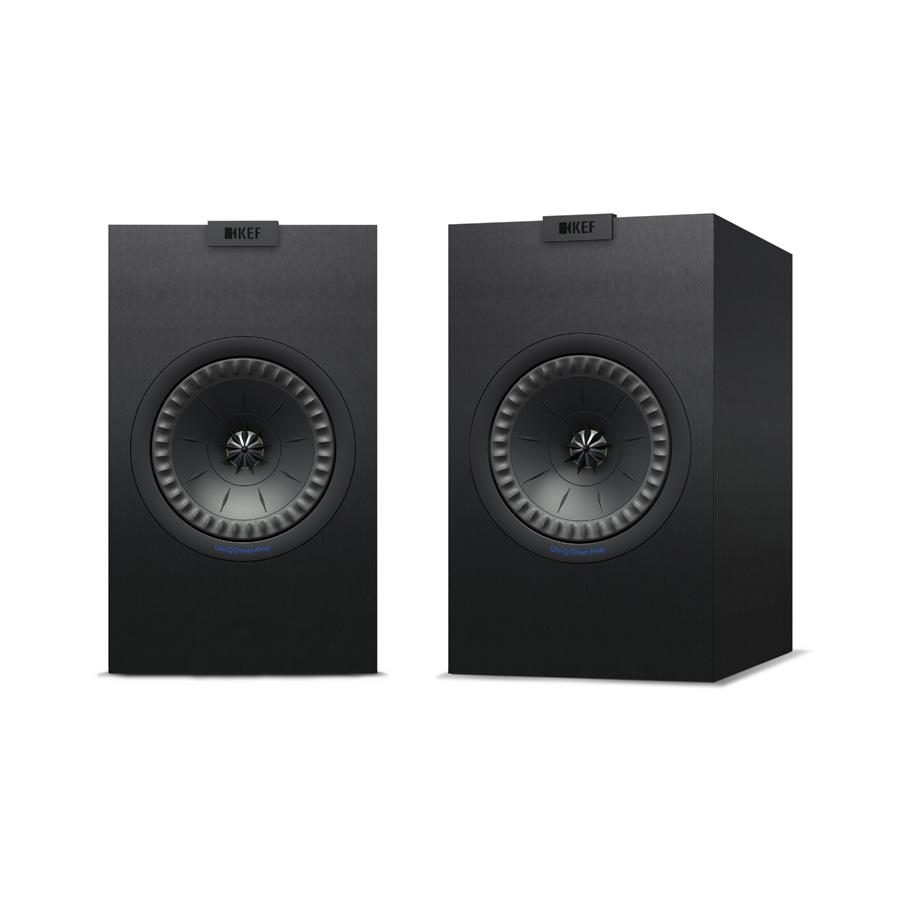 |
KEF Q150 | 5.25 in Uni-Q driver, 51 Hz – 28 kHz | Buy Now |
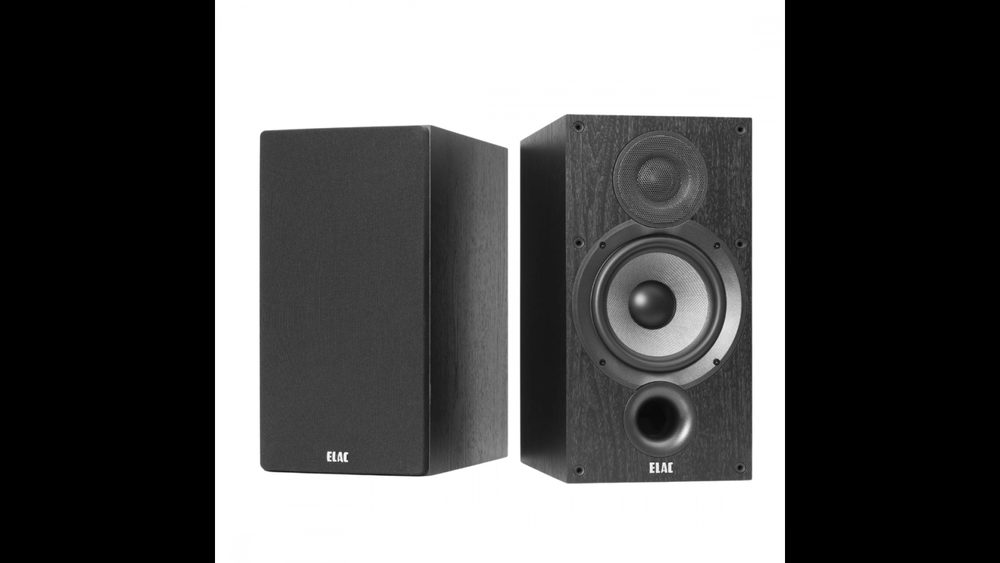 |
ELAC Debut 2.0 B6.2 | 6.5 in aramid-fibre woofer, 44 Hz – 35 kHz | Buy Now |
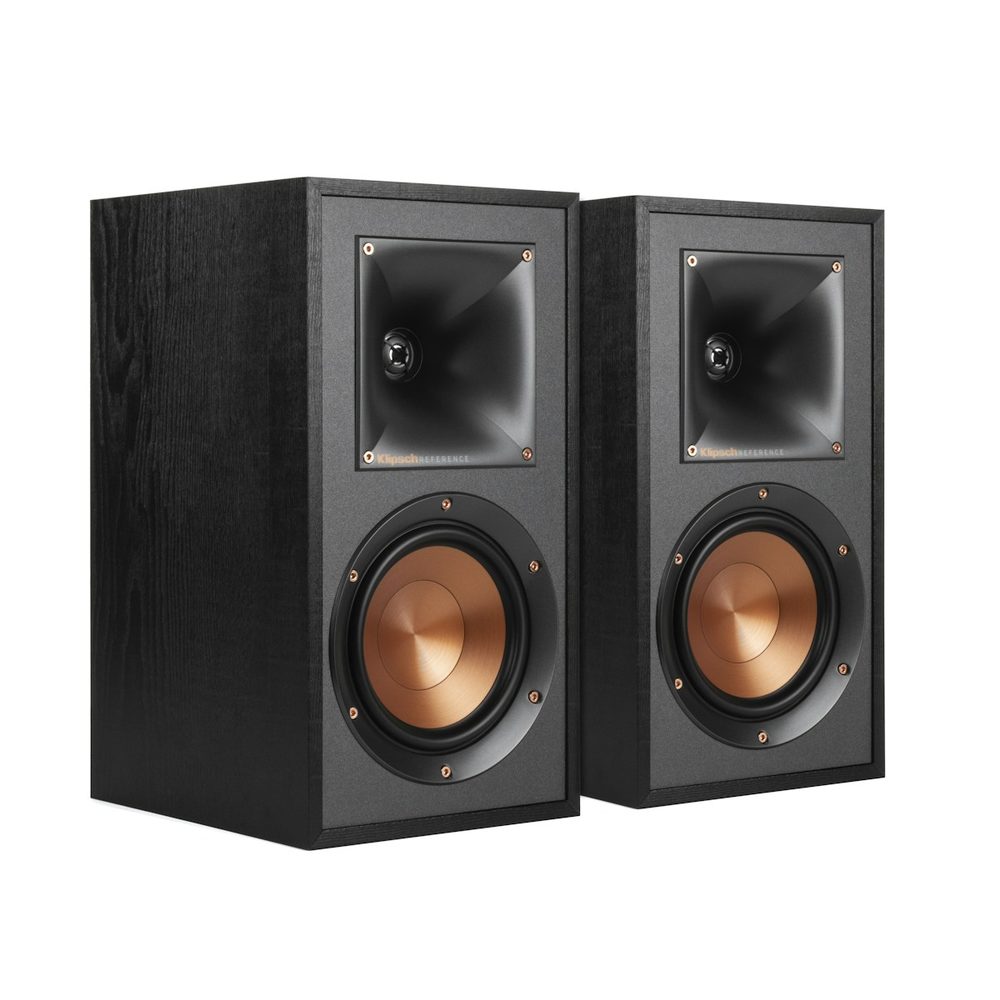 |
Klipsch R-51M | 5.25 in spun-copper IMG woofer, 62 Hz – 21 kHz | Buy Now |
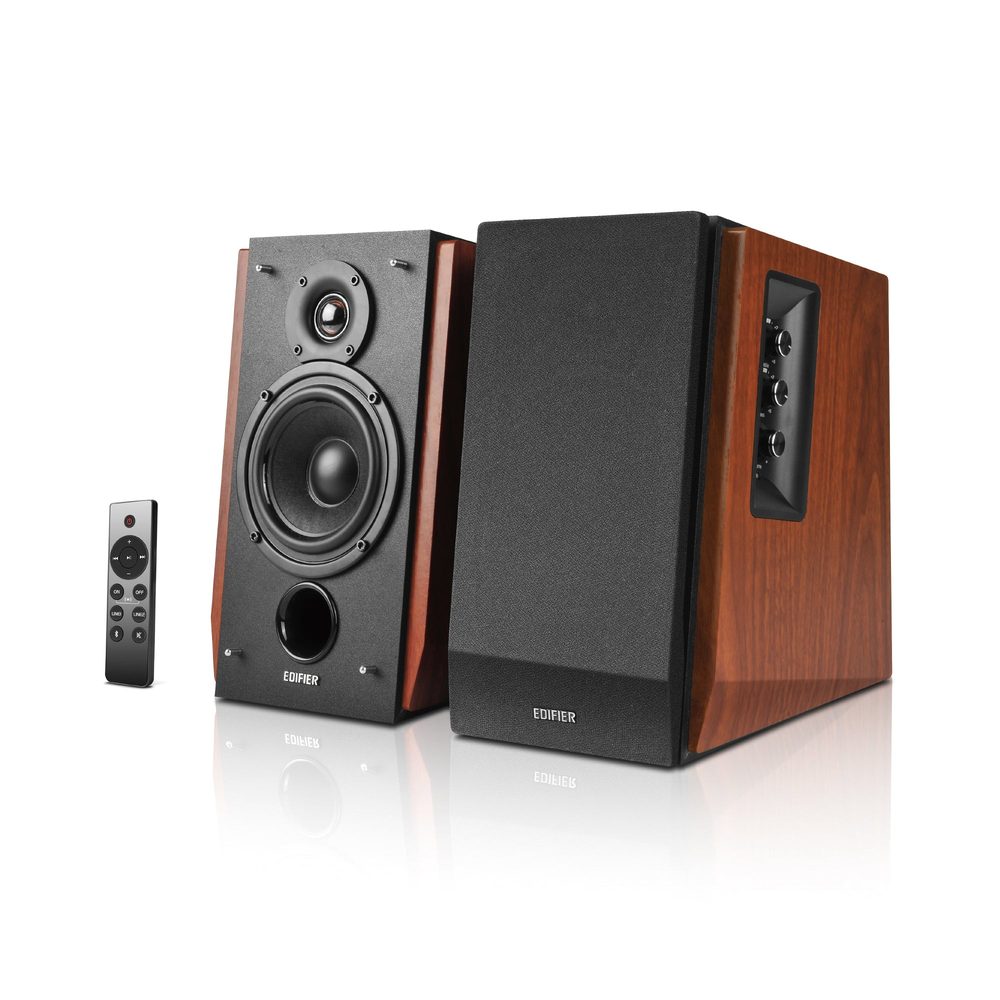 |
Edifier R1700BTs | 66 W RMS powered, Bluetooth aptX HD | Buy Now |
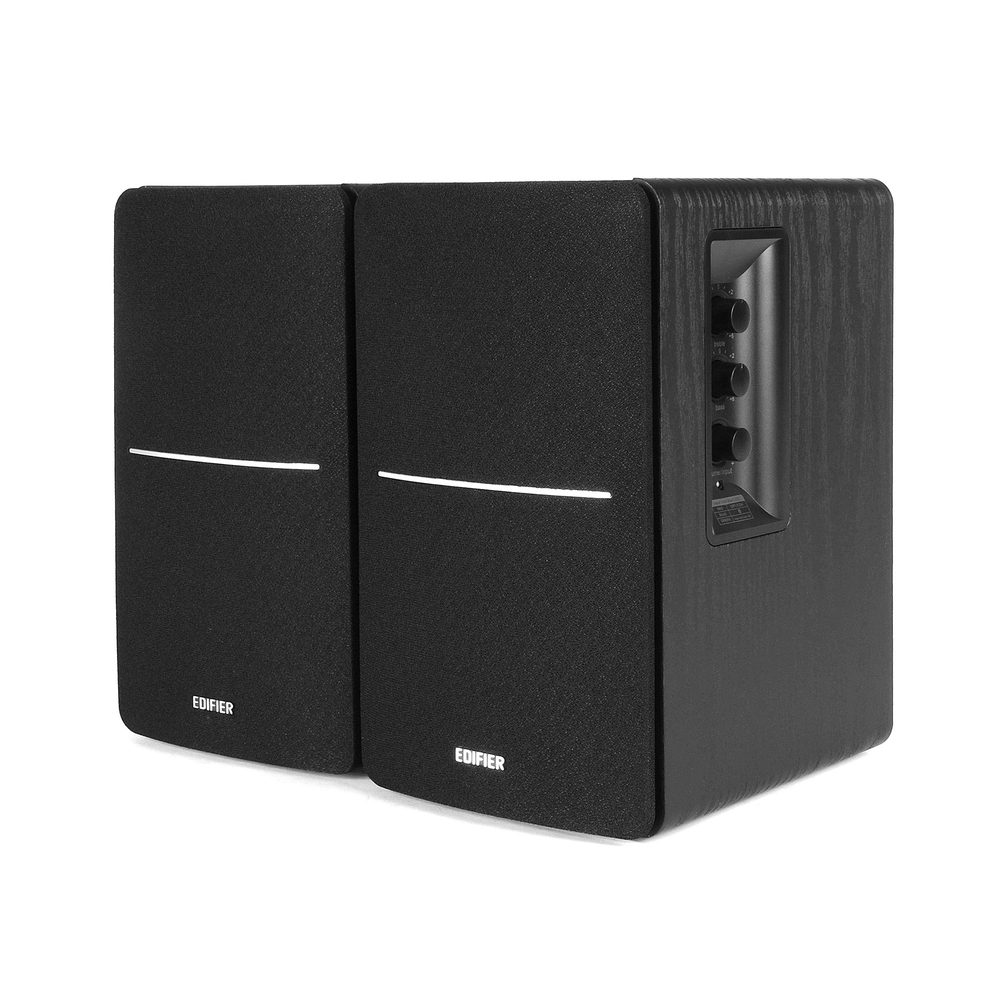 |
Edifier R1280DB | 42 W RMS powered, Bluetooth and optical | Buy Now |
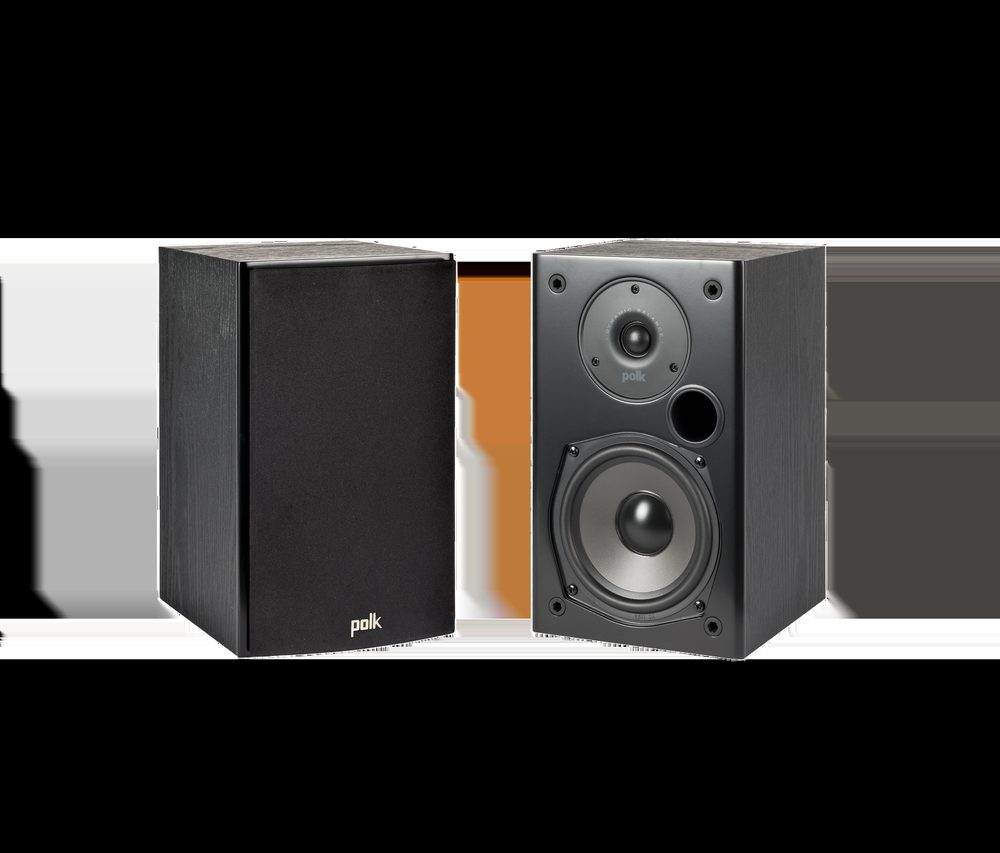 |
Polk Audio T15 | 5.25 in Dynamic Balance woofer, 60 Hz – 24 kHz | Buy Now |
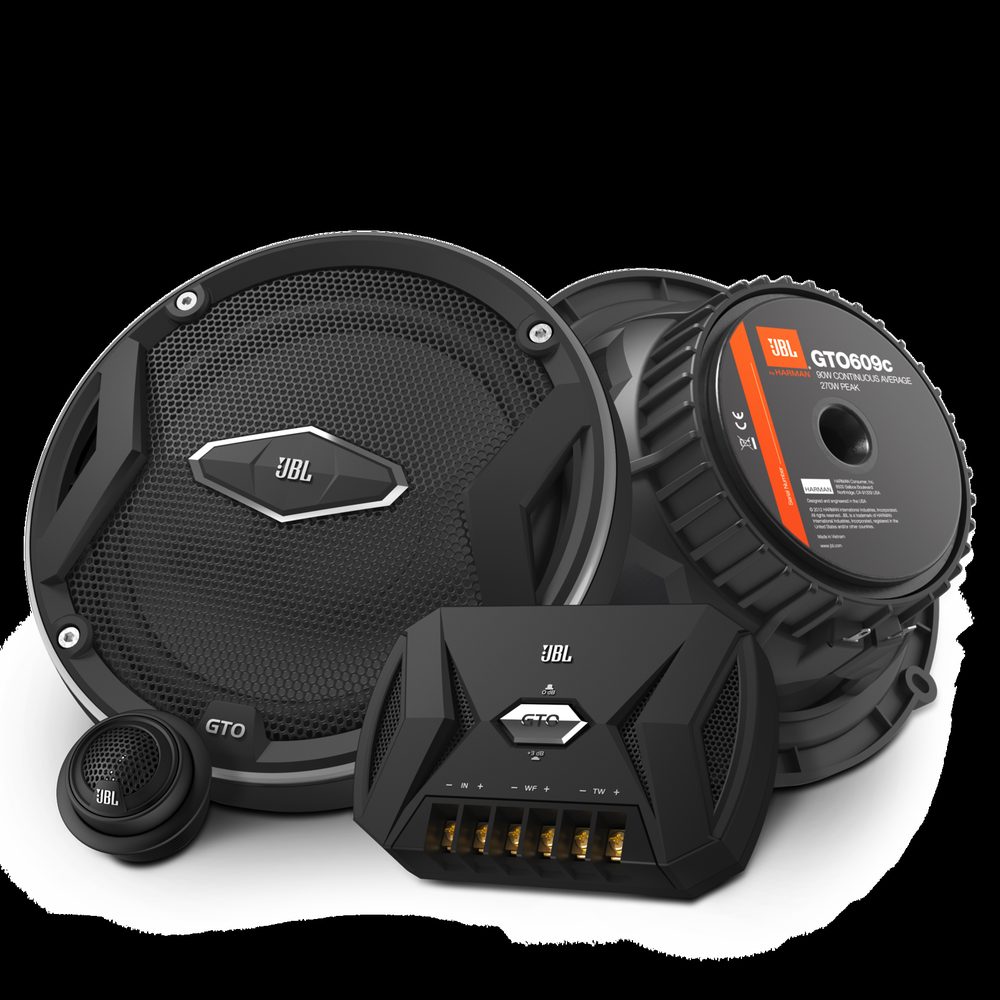 |
JBL GTO609C | 6.5 in component system, 75 W RMS | Buy Now |
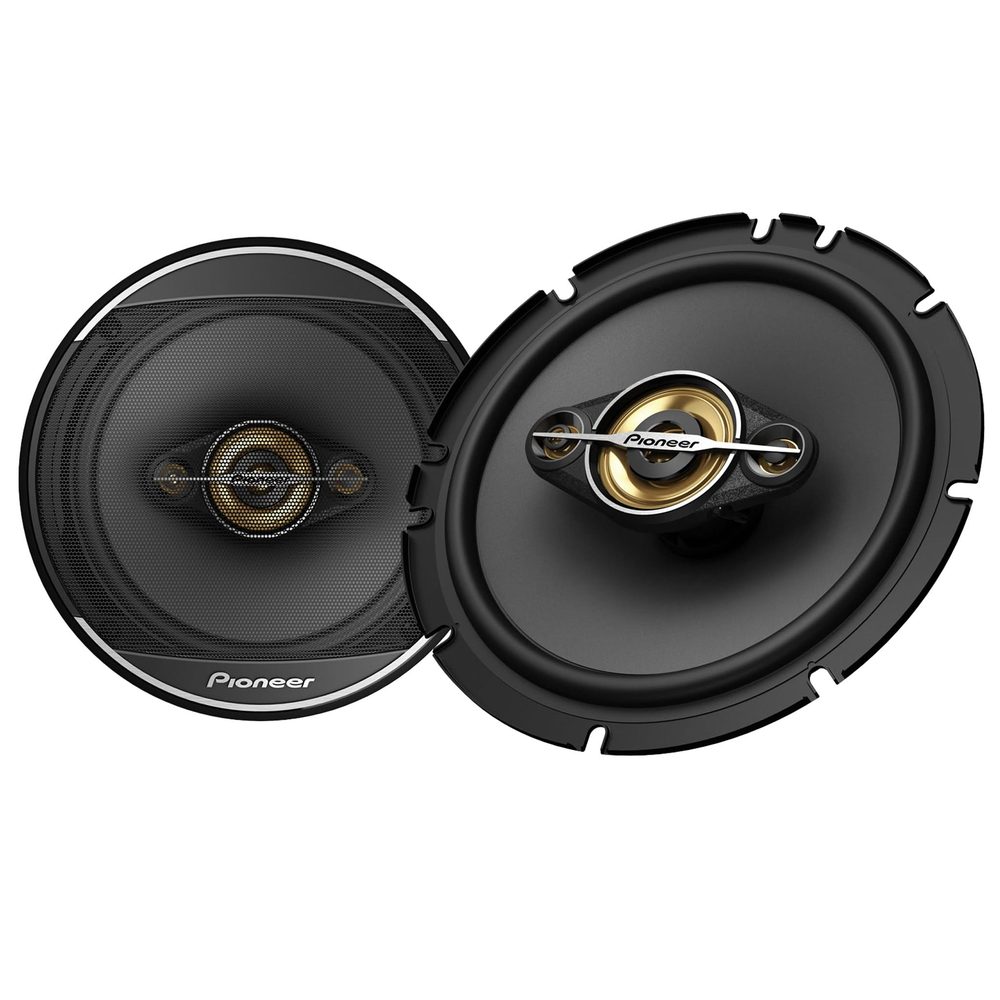 |
Pioneer TS-A1681F | 6.5 in 4-way coaxial, 35 Hz – 29 kHz | Buy Now |
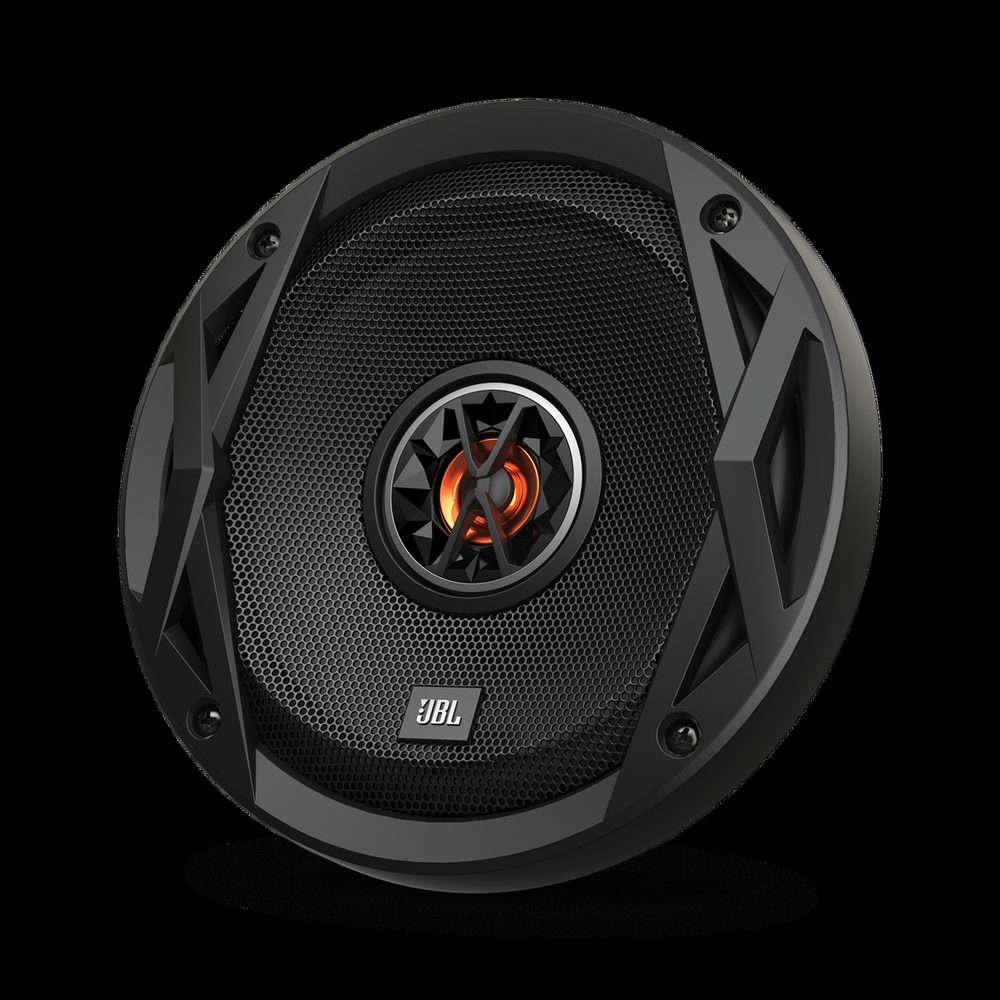 |
JBL CLUB6520 | 6.5 in 2-way coaxial, 50 W RMS | Buy Now |
 |
Rockford Fosgate R165X3 | 6.5 in 3-way coaxial, 45 W RMS | Buy Now |
1. KEF Q150 — Best Overall Bookshelf Speaker
The Q150 is the clearest example of the midrange-first design this guide recommends. Its Uni-Q driver puts the tweeter in the centre of the 5.25-inch midrange cone, so vocals and instruments come from a single point instead of two separate drivers. That gives it unusually precise imaging for a bookshelf speaker at this level.
Specs: 5.25-inch aluminium Uni-Q driver, 25 mm vented aluminium dome tweeter, 51 Hz – 28 kHz, 86 dB sensitivity, 8 ohms, 10–100 W recommended amplifier power.
2. ELAC Debut 2.0 B6.2 — Best Bookshelf Speaker for the Money
Designed by Andrew Jones, the B6.2 pairs a 6.5-inch woven aramid-fibre woofer with a 1-inch cloth dome tweeter in a waveguide. It is the most recommended budget audiophile bookshelf speaker of the last several years, and its smooth, uncoloured midrange is the reason: voices sound natural rather than thin or boxy.
Specs: 6.5-inch aramid-fibre woofer, 1-inch cloth dome tweeter, 44 Hz – 35 kHz, 87 dB sensitivity, 6 ohms, up to 120 W.
3. Klipsch R-51M — Best for Home Theatre and Big, Lively Sound
The R-51M is the loudest speaker on this list for the power you feed it. Its 1-inch aluminium tweeter sits in a 90° × 90° Tractrix horn, and the 5.25-inch spun-copper woofer is exceptionally efficient at 93 dB. Dialogue stays clear at low volumes and the speaker fills a large room without a big amplifier.
Specs: 5.25-inch spun-copper IMG woofer, 1-inch aluminium LTS tweeter with Tractrix horn, 62 Hz – 21 kHz, 93 dB sensitivity, 8 ohms, 85 W continuous / 340 W peak.
4. Edifier R1700BTs — Best Powered Bookshelf Speaker
If you do not want a separate amplifier, the R1700BTs is the pick. It has a built-in 66 W RMS amplifier, Bluetooth 5.0 with aptX HD, and a subwoofer line-out, so it works as a complete desktop or small-room system straight out of the box. The 4-inch woofer and 19 mm silk dome tweeter are tuned for a warm, easy midrange.
Specs: 4-inch woofer, 19 mm silk dome tweeter, 66 W RMS, 52 Hz – 20 kHz, Bluetooth 5.0 with aptX HD, subwoofer line-out.
5. Edifier R1280DB — Best Budget Powered Pair
The R1280DB is the cheapest way to get a proper powered pair with real inputs: Bluetooth, optical, coaxial and dual RCA, plus on-speaker bass and treble controls. The 4-inch bass driver and 13 mm silk dome tweeter deliver a surprisingly full midrange for the size, and the wooden enclosure keeps resonance under control.
Specs: 4-inch bass driver, 13 mm silk dome tweeter, 42 W RMS, 55 Hz – 20 kHz, Bluetooth, optical, coaxial and dual RCA inputs.
6. Polk Audio T15 — Best Budget Passive Pair
The T15 is a simple, honest passive bookshelf speaker: a 5.25-inch Dynamic Balance mid/woofer and a 0.75-inch silk dome tweeter, built to work with almost any receiver. Its wide midrange makes it a good surround or stereo pair on a tight budget, and the keyhole slot means it can also be wall-mounted.
Specs: 5.25-inch Dynamic Balance mid/woofer, 0.75-inch silk dome tweeter, 60 Hz – 24 kHz, 89 dB sensitivity, 8 ohms, 20–100 W recommended amplifier power.
7. JBL GTO609C — Best Car Component System
For a car, a component system beats a coaxial when the midrange matters, and the GTO609C is the classic example. The 6.5-inch carbon-injected Plus One woofer handles the midrange and midbass, the separate soft-dome tweeter mounts high for a proper soundstage, and the external crossover keeps the two apart. Its 3-ohm design also pulls more power from a factory head unit.
Specs: 6.5-inch carbon-injected Plus One woofer, 19 mm soft-dome tweeter, external crossover, 75 W RMS / 270 W peak, 67 Hz – 21 kHz, 92 dB sensitivity, 3 ohms.
8. Pioneer TS-A1681F — Best Car Coaxial for Range
The TS-A1681F is a 4-way coaxial with a dedicated 42 mm midrange driver alongside the 6.5-inch woofer, tweeter and super tweeter — the closest a drop-in door speaker gets to a true three-way design. It covers 35 Hz to 29 kHz, the widest range of any car speaker on this list, and comes with mounting adaptors for a factory upgrade.
Specs: 6.5-inch woofer, 42 mm midrange, 11 mm tweeter, 11 mm super tweeter, 80 W RMS / 350 W max, 35 Hz – 29 kHz, 91 dB sensitivity, 4 ohms.
9. JBL CLUB6520 — Best Car Coaxial for Factory Stereos
The CLUB6520 is built for the most common car upgrade: replacing factory door speakers without adding an amplifier. Its 3-ohm impedance and 92 dB sensitivity mean it plays noticeably louder than a factory speaker on the same head unit, and the Plus One polypropylene cone keeps the midrange clean at volume.
Specs: 6.5-inch Plus One polypropylene woofer, PEI balanced dome tweeter, 50 W RMS / 150 W peak, 55 Hz – 20 kHz, 92 dB sensitivity, 3 ohms.
10. Rockford Fosgate R165X3 — Best Budget Car 3-Way
The R165X3 is the cheapest speaker on this list and still a real 3-way design: a silk dome midrange sits between the 6.5-inch polypropylene woofer and the silk dome tweeter, so vocals do not have to share a driver with the bass. It is CTA-2031 compliant, which means its 45 W RMS and 91 dB ratings were measured to a real standard.
Specs: 6.5-inch vacuum polypropylene woofer, silk dome midrange and tweeter, 45 W RMS / 90 W peak, 52 Hz – 20 kHz, 91 dB sensitivity, 4 ohms.
Placement and Installation Tips
- Keep midranges close to their tweeters. Large physical separation between mid and tweeter creates a gap in the soundstage that no equalizer fully fixes. In a car, this is why pillar-mounted tweeters and door-mounted midranges can sound disconnected.
- Aim for on-axis listening where possible. Midrange dispersion narrows as frequency rises, so a driver angled toward the listener will sound more consistent than one aimed at the floor.
- Seal the mounting surface. Air leaks around a midrange reduce bass output and cause unwanted noise. Use proper baffles, gaskets, and sealing material.
- Add damping behind the driver. Reflected energy from a shallow cavity colors the midrange more than any other band. Sound deadening in a car door makes a measurable difference.
- Test both doors or both speakers together. A midrange that sounds fine alone can reveal imbalance when compared with its pair.
- Break in new drivers before judging them. Many midranges sound stiff and forward for the first several hours of use.
Common Mistakes When Buying Mid Speakers
- Judging quality by size alone. A larger driver does not automatically sound better. The enclosure, crossover, and installation matter more.
- Ignoring sensitivity matching. A high-sensitivity midrange paired with a low-sensitivity tweeter produces a system that sounds shouty and unbalanced.
- Trusting peak power ratings. RMS figures are the meaningful number, and even those are often optimistic at the low end of the market.
- Crossing the driver outside its comfort zone. Forcing a midrange to play below its natural range is the fastest way to introduce distortion.
- Buying mismatched pairs. Left and right drivers should be identical models. Substituting one side creates an audible imbalance that is difficult to correct.
- Skipping the enclosure entirely. A midrange installed in an open door panel or a thin plastic baffle will never perform as designed.
- Adding a midrange to a two-way system without a DSP or new crossover. A standalone driver dropped into an existing two-way setup usually creates more problems than it solves.
- Chasing specifications over listening. A driver with excellent numbers can still sound wrong in your specific system.
Frequently Asked Questions
What is a mid speaker used for?
A mid speaker, or midrange driver, reproduces the middle frequencies of the audio spectrum, typically from around 200 Hz to 4,000 Hz. That band contains most vocals and the fundamental notes of most instruments, which makes the midrange critical to overall sound quality.
What is the difference between a midrange and a midbass speaker?
A midrange is optimized for the vocal band and is usually crossed higher at the bottom. A midbass driver extends lower, typically down to 60 or 80 Hz, to bridge the gap between the midrange and the subwoofer. The two are often used together in three-way systems.
What size midrange speaker is best?
There is no universal best size. A 3 to 4 inch driver suits tight installations and car audio, while a 5 to 6.5 inch driver works well in home speakers where more low-end extension is needed. The right size depends on the enclosure, the crossover, and the other drivers in the system.
Do I need a dedicated midrange speaker?
Not always. Two-way systems use a mid-woofer to cover both midrange and mid-bass, which is sufficient for most bookshelf and car setups. A dedicated midrange becomes worthwhile in three-way systems where the mid-bass driver handles low frequencies and the midrange can focus entirely on the vocal band.
What impedance should a mid speaker be?
Four and eight ohm drivers are the most common. The correct choice depends on your amplifier and on how the driver is wired with the others through the crossover. Always confirm the nominal impedance matches what the amplifier is rated to drive.
Does cone material really change the sound?
Yes, but the effect is smaller than the enclosure, crossover, and installation. Paper and polypropylene tend to sound warm and forgiving, while Kevlar and metal cones sound more detailed and can be less forgiving. The best material depends on your goals and environment.
Can I replace a blown midrange with a different model?
You can, but both left and right sides should be replaced together with matching drivers. Replacing only one side creates an audible imbalance, and a driver with different sensitivity or impedance may not blend correctly with the existing crossover.
How much power does a mid speaker need?
Less than most people expect. In a three-way system, the crossover sends low frequencies to the woofer, so the midrange typically receives a small fraction of total system power. A driver rated at 40 to 60 watts RMS is usually more than sufficient.
What is the most important specification for a midrange driver?
For most buyers, smooth frequency response within the band the driver will actually cover matters more than any other single number. Sensitivity matching comes second, because a poorly matched driver will unbalance the entire system regardless of how smooth its response is.
Are expensive mid speakers worth it?
Up to a point. A well-designed mid-priced driver from a reputable brand usually outperforms a cheap one by a wide margin, but returns diminish quickly at the top of the market. Beyond a certain price, improvements are small and depend heavily on the rest of the system being equally capable.
Do I need a DSP for a car audio midrange upgrade?
If you are adding a dedicated midrange to a car system, a DSP is strongly recommended. It lets you set crossover points, slopes, time alignment, and per-driver EQ precisely, which passive crossovers cannot match. In most cases, a DSP will improve the result more than spending the same money on a more expensive driver.
Can I use a home audio midrange in a car?
Technically yes, but it is rarely a good idea. Home drivers are not built for the moisture, temperature swings, and vibration of a car environment, and their impedance and sensitivity are usually mismatched to car audio amplifiers and crossovers. Car-specific drivers exist for good reasons.
Conclusion
The mid speaker is the part of an audio system that carries the most musical information and the part the human ear is most sensitive to. Getting it right matters more than upgrading the treble or adding more bass. Focus on smooth response within the band the driver will actually cover, match sensitivity across all drivers, confirm physical fit and impedance before buying, and install the driver properly with a sealed baffle and adequate damping.
If you follow those steps, the midrange will disappear into the music where it belongs, and the system will sound coherent, natural, and easy to listen to for hours — which is ultimately the only test that matters. If you are building out the rest of the system, our guide to what a speaker crossover does explains how the crossover blends the drivers, and our best stereo speakers under $1000 roundup shows complete systems built around a strong midrange.