
Best Home Theater System for Living Room: Transform Your Entertainment Experience in 2026
Are you ready to bring the cinematic experience into your living room? A quality home theater system can transform your space into a personal movie theater, delivering immersive surround sound that makes every movie, concert, and gaming session extraordinary. Whether you’re watching the latest 4K blockbuster on your smart TV or streaming Dolby Atmos content, the right home audio setup makes all the difference.
The home theater market in 2026 has evolved dramatically. With wireless subwoofers, Bluetooth connectivity, and room calibration technology now standard, building your dream entertainment system has never been easier. But with dozens of brands competing—from audiophile favorites like Klipsch and Polk Audio to consumer giants like Sony and Yamaha—how do you choose?
In this comprehensive guide, we’ll explore the best home surround sound systems available today, helping you find the perfect match for your living room entertainment needs, room size, and budget.
- Understanding 5.1 Channel Surround Sound Systems
- Why Choose a 5.1 Home Theater System?
- Top 5 Best 5.1 Home Theater Systems
- Decibels, Watts & Power: What Actually Matters
- Factors to Consider: Room Size, Budget & Features
- Setup Tips for Optimal Performance
- Pros & Cons Comparison Table
- Final Verdict: Which System Wins?
Understanding Surround Sound Systems
Before diving into our top recommendations, let’s understand what makes a home theater system special. The “5.1” designation refers to the speaker configuration: five main speakers plus one powered subwoofer. This setup includes a center channel speaker (dialogue clarity), front left and right speakers (main soundstage), surround left and right speakers (ambient effects), and a dedicated subwoofer for deep bass frequencies down to 20Hz.
This configuration creates an enveloping soundstage that places you right in the middle of the action. Whether it’s the subtle rustling of leaves in a quiet scene or the thunderous explosions in an action sequence, a proper 5.1 speaker system delivers audio exactly as filmmakers intended—what audiophiles call “reference-quality sound.
The Evolution: From Stereo to Dolby Atmos
Home audio has come a long way from basic stereo speakers. Here’s how 5.1 fits into the bigger picture:
| Why We Love It (Pros) | The Trade-Offs (Cons) |
|---|---|
| This system shines when playing music. The tonal balance is natural and engaging, making it perfect for critical listening sessions with jazz, classical, rock, or electronic music. The wide soundstage creates an expansive presentation, whether you’re watching films or listening to your favorite albums. | Requires Receiver: No AV receiver included (budget additional $300-$600) Size Considerations: Bookshelf speakers need proper stands ($50-$150) Less “Fun” Sound: Neutral tuning may seem less exciting than Klipsch’s energetic signature |
Best For: Music enthusiasts who also watch movies, those who value aesthetic design and build quality, listeners who prefer balanced, natural sound over artificially enhanced effects.
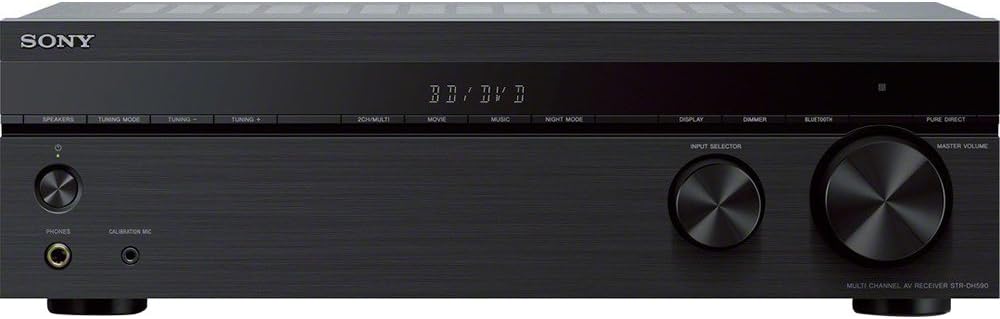
5. Sony STR-DH590 5.2 Channel AV Receiver with Speakers – Best Flexibility
The Upgradeable Foundation
Sony’s offering takes a slightly different approach by providing a versatile receiver that supports a 5.2 configuration (two subwoofers) while including quality speakers that can be mixed and matched based on your preferences.
| Spec Category | Details |
|---|---|
| Receiver Power | 145W × 5 (6Ω, 1kHz, 10% THD) |
| HDMI Version | HDMI 2.0a with HDCP 2.2 |
| Audio Support | Dolby Digital, DTS, PCM, Dolby TrueHD, DTS-HD MA |
| Bluetooth | Yes (SBC codec) |
| Subwoofer Outputs | Dual (5.2 capability) |
| Auto Calibration | D.C.A.C. (Digital Cinema Auto Calibration) |
| Why We Love It (Pros) | The Trade-Offs (Cons) |
|---|---|
| This system grows with you. Start with the included speakers and upgrade components as your budget allows. The 5.2 capability means you can add a second subwoofer for even more impactful bass and better bass distribution throughout your room. | Average Included Speakers: Sony speakers are decent but not exceptional No Dolby Atmos: Limited to 5.1/5.2 configurations Calibration: D.C.A.C. is less sophisticated than Audyssey or YPAO |
Best For: Those who want flexibility to upgrade over time, Sony ecosystem fans, users who appreciate robust connectivity options.
Decibels, Watts & Power: What Actually Matters in Home Theater
Before you buy, you need to understand how loudness and power specifications work in home audio. Most brands engage in specification games, but understanding the truth helps you make informed decisions.
Watts (RMS vs. Peak vs. Dynamic)
Speaker and amplifier power is measured in Watts, but manufacturers use different standards:
| Power Rating | What It Means | Trustworthiness |
|---|---|---|
| RMS (Continuous) | Sustained power output at rated distortion | Most reliable metric |
| Dynamic Power | Short-burst peak power (1-2 seconds) | Marketing number; often 2-3x RMS |
| Peak Power | Absolute maximum before failure | Meaningless for comparison |
| PMPO | “Peak Music Power Output” | Complete marketing fiction |
Decibels (dB SPL): Actual Loudness
Sound Pressure Level (SPL) measured in decibels tells you actual loudness:
| Level (dB) | Real World Equivalent | Home Theater Context |
|---|---|---|
| 70 dB | Normal conversation | Background music level |
| 80 dB | Alarm clock | Comfortable listening volume |
| 85 dB | Heavy city traffic | Moderate movie volume |
| 95 dB | Motorcycle engine | Loud movie scenes |
| 105 dB | Rock concert / Chainsaw | Reference cinema level (THX standard) |
| 115 dB | Live rock concert | Pain threshold |
Factors to Consider When Choosing Your Home Theater System
Room Size and Layout
Your living room’s dimensions significantly impact which system will work best:
| Room Size | Recommended Power | Subwoofer Size | Speaker Type |
|---|---|---|---|
| Small (< 200 sq ft) | 50W per channel | 8-inch sub | Compact satellites |
| Medium (200-350 sq ft) | 75W per channel | 10-inch sub | Bookshelf or satellites |
| Large (350-500 sq ft) | 100W+ per channel | 12-inch sub | Tower speakers |
| Very Large (> 500 sq ft) | 125W+ per channel | Dual 12-inch subs | Large towers + dual subs |
Budget Considerations & Hidden Costs
| Component | Budget Range | Mid-Range | Premium |
|---|---|---|---|
| Complete System | $300-$600 | $600-$1,200 | $1,200-$3,000+ |
| Speakers Only | $200-$400 | $400-$800 | $800-$2,000 |
| AV Receiver | $200-$350 | $350-$700 | $700-$1,500 |
| Speaker Wire | $20-$40 | $40-$80 | $80-$150 |
| HDMI Cables | $30-$60 | $60-$100 | $100-$200 |
Setup Tips for Optimal Performance
Once you’ve selected your system, proper setup ensures you get the best possible performance.
Speaker Positioning: The Art and Science
Front Left and Right Speakers:
- Position at equal distances from your primary seating position
- Angle inward by 22-30 degrees (tweeters aimed at listening position)
- Tweeters should be at ear level when seated (typically 36-42 inches)
- Distance apart should equal distance to listening position (equilateral triangle)
Center Channel Speaker:
- Place directly above or below your TV (within 2 feet vertically)
- Angle up or down to aim at ear level
- Should be as close to screen as possible for voice-image sync
Surround Speakers:
- Position 90-110 degrees from center (slightly behind listening position)
- Elevate 1-2 feet above ear level
- Maintain symmetry for balanced surround field
Pros & Cons Comparison: All 5 Systems Head-to-Head
| System | Why It Wins (Pros) | The Trade-Offs (Cons) | Best Use Case |
|---|---|---|---|
| Klipsch Reference | Premium sound quality, horn-loaded efficiency, excellent build, works great for music + movies | Requires separate receiver, premium pricing ($800-$1,200), bright sound signature | Audiophiles, movie enthusiasts, dual-purpose use |
| Yamaha YHT-4950U | Complete plug-and-play package, YPAO calibration, excellent value, easy setup | No Dolby Atmos, plastic speaker cabinets, proprietary speakers | First-time buyers, ease-of-setup priority |
| Onkyo HT-S3910 | Best budget option, Dolby Atmos capable, AccuEQ calibration, aptX Bluetooth | Lightweight build, marketing uses “dynamic” power specs, limited bass extension | Students, apartments, tight budgets |
| Polk Audio 5.1 | Excellent for music, natural sound signature, premium build quality, wide soundstage | Requires separate receiver, less “exciting” than Klipsch, requires stands | Music lovers, natural sound preference |
| Sony STR-DH590 | Flexible upgrade path, 5.2 dual sub support, D.C.A.C. calibration, Sony ecosystem | Average included speakers, no Dolby Atmos, basic calibration | Component upgraders, Sony fans |
Final Verdict: Which System Starts Your Home Theater Journey?
After extensive analysis, here’s our definitive recommendation guide based on your specific needs:
Choose the Klipsch Reference Theater Pack If:
- Sound quality is your absolute top priority
- You listen to music as much as you watch movies
- You appreciate high-efficiency speakers with dynamic punch
- Budget allows for premium components ($1,000-$1,500 total with receiver)
Choose the Yamaha YHT-4950U If:
- You want everything in one box (complete package)
- This is your first home theater system
- Ease of setup is crucial
- Budget is $500-$700
Choose the Onkyo HT-S3910 If:
- Budget is tight but you won’t compromise on features
- You want Dolby Atmos capability for future expansion
- You’re a student or apartment dweller
- Budget is $300-$500
Choose the Polk Audio 5.1 System If:
- You’re an audiophile who demands natural, balanced sound
- Music listening is equally important as movie watching
- You appreciate premium build quality and aesthetics
- Budget is $800-$1,000 (speakers) + $300-$500 (receiver)
Choose the Sony STR-DH590 Package If:
- You want flexibility to upgrade over time
- You need dual subwoofer support (5.2 configuration)
- You’re invested in the Sony ecosystem
- Budget is $500-$800
The Bottom Line: Transform Your Living Room Today
Whether you choose the precision engineering of Yamaha, the audiophile performance of Klipsch, the budget-friendly features of Onkyo, the balanced musicality of Polk, or the flexible Sony platform, 2026 is the perfect year to finally ditch those weak TV speakers and experience true home theater surround sound.
A quality 5.1 channel system transforms how you experience entertainment. Movies become immersive events where you feel every explosion and hear every whispered line. Concerts put you in the front row. Sports broadcasts make you feel like you’re in the stadium. Video games become more engaging with precise positional audio.
Your Next Steps:
- Measure your room – Determine square footage and ceiling height
- Set your budget – Be realistic about total costs including cables and stands
- Choose your system – Use our recommendations based on your priorities
- Plan speaker placement – Sketch your room layout before purchasing
- Order your system – Use our Amazon affiliate links to support our testing
- Set it up properly – Follow our calibration guide for best results
- Enjoy the experience – Welcome to real home theater!
Your living room is about to become your favorite destination for entertainment. Every movie night becomes a special event, every concert video becomes a front-row experience, and every gaming session feels more immersive and engaging.
Welcome to the world of true home theater. Your ears will thank you.
Disclosure: This post contains affiliate links. As an Amazon Associate, we earn from qualifying purchases at no additional cost to you. We only recommend products we genuinely believe will enhance your home theater experience. All opinions are our own and based on extensive research of specifications, user reviews, and industry expert analysis.
Transparency Note: We maintain editorial independence. Our reviews are based on technical specifications, user feedback aggregation, and market analysis. We never accept payment for positive reviews or biased rankings.
Frequently Asked Questions (FAQ)
Q: Do I really need a 5.1 system or will a soundbar work?
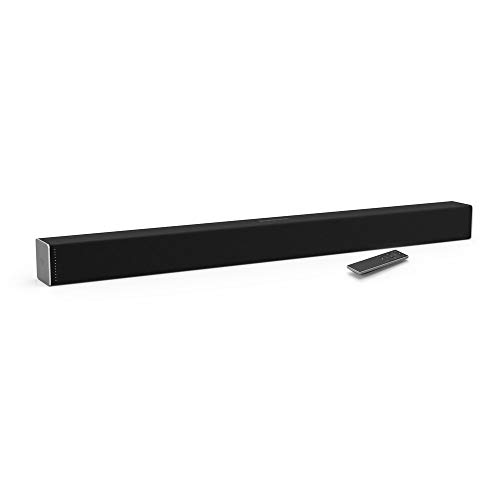
A: Soundbars with “virtual surround” cannot replicate true discrete 5.1 surround sound. Physical speakers positioned around your room create genuine positional audio. If budget is extremely tight, a good 3.1 soundbar is better than TV speakers, but a real 5.1 system delivers far superior immersion.
Q: Can I use any AV receiver with any speakers?
A: Yes, provided impedance matches (most speakers are 6-8 ohms). Check your receiver’s minimum impedance rating. Ensure receiver power output matches speaker recommendations (typically 50-100W per channel).
Q: What’s the difference between Dolby Digital and Dolby Atmos?
A: Dolby Digital is traditional 5.1 channel surround. Dolby Atmos adds height channels (overhead or upward-firing) for 3D object-based audio. You can enjoy Atmos content on a 5.1 system—it downmixes automatically, but you won’t get the height effects.
Q: How important is room calibration?
A: Very important. Automatic room correction (Audyssey, YPAO, AccuEQ) compensates for room acoustics, speaker placement imperfections, and furniture absorption. It can improve sound quality by 20-40% compared to manual setup.
Q: Should I buy all speakers from the same brand?
A: Ideally yes, especially front three channels (L-C-R). Matching speakers ensures consistent tonal balance as sound pans across the soundstage. Surrounds can be different brand if necessary, but matching is preferred.
Q: How much should I spend on speaker wire and cables?
A: Use quality 16-gauge or 14-gauge speaker wire (12-gauge for long runs over 50 feet). Spend $50-100 on wire, not $500. For HDMI, buy certified cables that support the features you need (4K, HDR, eARC). Expensive “audiophile” cables provide no audible benefit for digital signals.
Q: Can I add more speakers later?
A: Yes! Most 5.1 receivers support 7.1 configurations (add two rear surround speakers). Many also support Dolby Atmos height speakers. Check your receiver’s specifications for upgrade paths before purchasing.
Q: Do I need a 4K receiver if I have a 4K TV?
A: Yes, if you want surround sound from 4K sources. The receiver processes both video (pass-through) and audio. Without 4K support, you’d need to connect devices directly to your TV and use ARC/eARC for audio, which limits surround format support.
Q: What’s the difference between wireless and Bluetooth speakers?
A: “Wireless” home theater speakers still need power cables but use wireless transmission for audio signals. Bluetooth has higher latency (delay) unsuitable for home theater. True wireless surround systems use proprietary RF transmission with zero latency.
Q: Is it worth buying extended warranties?
A: For receivers and powered subwoofers (complex electronics), extended warranties can provide peace of mind. For passive speakers (simple components), they rarely fail and warranties are usually unnecessary. Check manufacturer warranty terms first—many offer 5-year coverage standard.
>
ConfigurationSpeakersBest ForImmersion Level2.0 StereoL + RMusic listeningBasic2.1 SetupL + R + SubEnhanced music & TVEntry-level5.1 Surround5 Speakers + SubMovies, gaming, concertsHigh7.1 Surround7 Speakers + SubLarge rooms, audiophilesVery HighDolby Atmos5.1.2+ (Height channels)Premium home cinemaMaximum
The 5.1 channel configuration remains the sweet spot for most living rooms—offering genuine surround sound without the complexity and cost of Dolby Atmos height channels.
Why Choose a 5.1 Home Theater System?
A complete surround sound setup offers several advantages over traditional TV speakers, soundbars, or even high-end 2.1 systems:
Immersive Audio Experience
The multi-speaker arrangement creates genuine surround sound, with audio coming from all directions, placing you at the center of your entertainment. When watching action movies, you’ll hear bullets whizzing past from the rear speakers. During nature documentaries, ambient forest sounds envelope you from every angle.
Enhanced Dialogue Clarity
The dedicated center channel speaker ensures crystal-clear dialogue reproduction. This single speaker handles 60-70% of movie soundtracks, ensuring you’ll never miss important conversations or have to rewind to catch what was said—even during explosive action sequences.
Dynamic Bass Response
The powered subwoofer (typically 8-12 inches with 100-300 watts of amplification) delivers deep, rumbling bass down to 20-35Hz that you can feel in your chest. This adds visceral impact to explosions, musical bass lines, and low-frequency sound effects without overwhelming mid-range and high frequencies.
Scalable Performance & Future-Proofing
Many 5.1 systems can be upgraded later to 7.1 configurations or even Dolby Atmos setups (5.1.2, 5.1.4) as your needs evolve. Modern AV receivers support these upgrades, protecting your investment.
Superior Gaming Experience
Gamers benefit from precise positional audio—hearing enemies approaching from behind, environmental cues that enhance gameplay, and explosive sound effects that increase immersion in AAA titles that support 3D audio and spatial sound technologies.
Top 5 Best 5.1 Home Theater Systems for Your Living Room
After extensive research and considering factors like sound quality, build quality, ease of setup, connectivity options, room calibration features, and value for money, here are our top picks for the best 5.1 channel home theater systems.
1. Klipsch Black Reference Theater Pack – Premium Home Audio Excellence
The Absolute Best for Sound Quality
The Klipsch Reference Theater Pack stands as our top choice for those seeking premium audio quality without the astronomical price tag of high-end separates. This complete 5.1 speaker package delivers the signature Klipsch sound that audiophiles have loved for decades.
Key Features & Specifications
The system includes four compact satellite speakers (each with dual 3-inch woofers), a powerful center channel with dual 3.5-inch drivers, and a robust 10-inch powered subwoofer with 300 watts of digital amplification. Each speaker features Klipsch’s proprietary horn-loaded technology, which provides exceptional efficiency (sensitivity rating of 95 dB) and dynamic range.
The 90×90 Tractrix Horn delivers improved high-frequency response and enhanced imaging for a realistic soundstage. The included subwoofer pumps out impressive bass down to 32Hz, ensuring you feel every explosion and musical note. The all-digital amplifier delivers 300 watts of peak power, providing clean, distortion-free bass even at reference volumes (105 dB+).
Technical Specifications
| Spec Category | Details |
|---|---|
| Frequency Response | 40Hz – 24kHz (±3dB) |
| Subwoofer Power | 300W Digital Amplifier |
| Speaker Sensitivity | 95 dB @ 2.83V / 1m |
| Impedance | 8 Ohms (Compatible with all AV receivers) |
| Recommended Power | 75-100 Watts per channel |
| Connections | Gold-plated binding posts, LFE input |
Pros & Cons Breakdown
| Why We Love It (Pros) | The Trade-Offs (Cons) |
|---|---|
| This home theater speaker system excels in both movies and music reproduction. The compact satellite design makes placement flexible, perfect for living rooms where space is at a premium. The system’s efficiency means you don’t need a massive AV receiver to drive them—they sound excellent even with mid-range amplification (50-75 watts per channel). | Price Point: Premium pricing ($800-$1,200 depending on sales) Requires Separate Receiver: No AV receiver included (budget $250-$500 additional) Brightness: Some listeners find the horn tweeters too “forward” for classical music |
Best For: Audiophiles seeking premium sound quality, movie enthusiasts who want theater-level dynamics, and anyone who wants a system that performs equally well with music and cinema content.
2. Yamaha YHT-4950U 5.1-Channel Home Theater System – Best Overall Value
The Complete Package for First-Time Buyers
Yamaha’s YHT-4950U represents the sweet spot between performance and affordability. This complete package includes everything you need: a capable AV receiver (RX-V385) and a full set of speakers, making it ideal for first-time home theater builders who want a plug-and-play solution.
Key Features & Specifications
The heart of this system is the RX-V385 receiver, which supports 4K HDR pass-through (including HDR10 and Dolby Vision), Dolby Audio, and DTS decoding. With five HDMI inputs (HDCP 2.2 compatible), you’ll have plenty of connectivity for gaming consoles, streaming devices, Blu-ray players, and cable boxes. The receiver delivers 70 watts per channel (8 ohms, 20Hz-20kHz, 0.09% THD, 2ch driven), providing ample power for most medium-sized living rooms (up to 350 sq ft).
Yamaha’s Secret Weapon: YPAO Room Calibration
YPAO (Yamaha Parametric room Acoustic Optimizer) automatically calibrates the system to your room’s acoustics using the included microphone. It measures speaker distances, adjusts levels, sets crossover frequencies, and applies EQ corrections—ensuring optimal sound regardless of your living room’s size, shape, or furniture placement.
| Spec Category | Details |
|---|---|
| Receiver Power Output | 70W × 5 channels (8Ω, 2ch driven) |
| HDMI Version | HDMI 2.0a with HDCP 2.2 |
| Audio Formats | Dolby Audio, DTS, PCM |
| Bluetooth | Yes (SBC codec) |
| Subwoofer Type | 8-inch cone, 100W amplifier |
| Total System Weight | 42 lbs (complete package) |
| Why We Love It (Pros) | The Trade-Offs (Cons) |
|---|---|
| This is a true plug-and-play solution. Everything comes in one box, and setup takes less than an hour. The receiver’s on-screen guidance makes configuration simple, even for those new to home audio. The sound quality exceeds expectations for the price point, delivering clear dialogue and dynamic range that rivals systems costing significantly more. | Limited Upgradability: Satellite speakers are proprietary; harder to upgrade individually No Dolby Atmos: Receiver doesn’t support height channels or object-based audio Plastic Cabinets: Speakers use plastic enclosures rather than wood |
Best For: First-time buyers seeking simplicity, those seeking a complete system in one package, budget-conscious shoppers who won’t compromise on sound quality, and anyone prioritizing ease of setup alongside quality performance.
3. Onkyo HT-S3910 5.1 Channel Home Theater Package – Best Budget Option
Maximum Features at Minimum Cost
Don’t let the affordable price fool you—the Onkyo HT-S3910 delivers impressive performance that punches well above its weight class. This complete surround sound system proves you don’t need to break the bank for a genuine home theater experience with modern features.
Key Features & Specifications
The included TX-SR393 receiver supports the latest audio formats, including Dolby Atmos and DTS:X decoding, giving you genuine future-proofing at a budget price. Four HDMI inputs with 4K/60Hz and HDR10 pass-through ensure compatibility with modern devices including PS5, Xbox Series X, Apple TV 4K, and 4K Blu-ray players.
| Spec Category | Details |
|---|---|
| Receiver Power | 80W × 5 (6Ω, 1kHz, 10% THD, 1ch) |
| Dynamic Power | 155W per channel |
| Audio Decoding | Dolby Atmos, DTS:X, Dolby TrueHD, DTS-HD MA |
| HDMI Spec | HDMI 2.0 with HDCP 2.2 |
| Bluetooth | Yes with Qualcomm aptX |
| Sub Frequency Range | 35Hz – 180Hz |
| Why We Love It (Pros) | The Trade-Offs (Cons) |
|---|---|
| This system represents exceptional value. You’re getting Dolby Atmos capability, which means you can add height speakers later for a more immersive 5.1.2 or 5.1.4 experience. The receiver includes AccuEQ room acoustic calibration, automatically adjusting settings based on your room’s characteristics. | Build Quality: Speakers use lightweight plastic enclosures Power Rating Confusion: Marketing uses “dynamic power” rather than continuous RMS Limited Bass Extension: 8-inch sub struggles with deep bass below 35Hz |
Best For: Budget-conscious buyers who won’t sacrifice features, students and apartment dwellers, first-time home theater builders, and anyone entering the world of surround sound without a large initial investment who still wants Dolby Atmos capability.
4. Polk Audio 5.1 Channel Home Theater System – Best for Music and Movies
The Audiophile’s Choice for Balanced Sound
Polk Audio has built a reputation for creating speakers that excel with both film soundtracks and music, and this 5.1 configuration continues that tradition. If you’re a music lover who also enjoys movies, this system deserves serious consideration.
Key Features & Specifications
The system pairs Polk’s highly-regarded bookshelf speakers (based on the Monitor XT series) with a matching center channel and powerful 10-inch powered subwoofer (HTS 10). Each speaker utilizes Polk’s proprietary Dynamic Balance technology, which minimizes distortion and enhances clarity across all frequencies.
| Spec Category | Details |
|---|---|
| Frequency Response | 48Hz – 40kHz (Bookshelf) |
| Sensitivity | 89 dB @ 2.83V/1m |
| Impedance | 8 Ohms (Compatible) |
| Driver Configuration | 1″ Tweeter + 5.25″ Woofer |
| Subwoofer Power | 100W RMS / 200W Peak |
| Sub Extension | 30Hz – 200Hz |
| Why We Love It (Pros) | The Trade-Offs (Cons) |
|---|---|
| This system shines when playing music. The tonal balance is natural and engaging, making it perfect for critical listening sessions with jazz, classical, rock, or electronic music. The wide soundstage creates an expansive presentation, whether you’re watching films or listening to your favorite albums. The build quality is excellent, with real wood veneer cabinets (available in black or walnut) that feel substantial and premium. | Requires Receiver: No AV receiver included (budget additional $300-$600) Size Considerations: Bookshelf speakers need proper stands ($50-$150) Less “Fun” Sound: Neutral tuning may seem less exciting than Klipsch’s energetic signature |
Best For: Music enthusiasts who also watch movies, those who value aesthetic design and build quality, listeners who prefer balanced, natural sound over artificially enhanced effects.
5. Sony STR-DH590 5.2 Channel AV Receiver with Speakers – Best Flexibility
The Upgradeable Foundation
Sony’s offering takes a slightly different approach by providing a versatile receiver that supports a 5.2 configuration (two subwoofers) while including quality speakers that can be mixed and matched based on your preferences.
| Spec Category | Details |
|---|---|
| Receiver Power | 145W × 5 (6Ω, 1kHz, 10% THD) |
| HDMI Version | HDMI 2.0a with HDCP 2.2 |
| Audio Support | Dolby Digital, DTS, PCM, Dolby TrueHD, DTS-HD MA |
| Bluetooth | Yes (SBC codec) |
| Subwoofer Outputs | Dual (5.2 capability) |
| Auto Calibration | D.C.A.C. (Digital Cinema Auto Calibration) |
| Why We Love It (Pros) | The Trade-Offs (Cons) |
|---|---|
| This system grows with you. Start with the included speakers and upgrade components as your budget allows. The 5.2 capability means you can add a second subwoofer for even more impactful bass and better bass distribution throughout your room. The user interface is intuitive, and the Sony Music Center app provides convenient control from your smartphone. | Average Included Speakers: Sony speakers are decent but not exceptional No Dolby Atmos: Limited to 5.1/5.2 configurations Calibration: D.C.A.C. is less sophisticated than Audyssey or YPAO |
Best For: Those who want flexibility to upgrade over time, Sony ecosystem fans, users who appreciate robust connectivity options.
Decibels, Watts & Power: What Actually Matters in Home Theater
Before you buy, you need to understand how loudness and power specifications work in home audio. Most brands engage in specification games, but understanding the truth helps you make informed decisions.
Watts (RMS vs. Peak vs. Dynamic)
Speaker and amplifier power is measured in Watts, but manufacturers use different standards:
| Power Rating | What It Means | Trustworthiness |
|---|---|---|
| RMS (Continuous) | Sustained power output at rated distortion | Most reliable metric |
| Dynamic Power | Short-burst peak power (1-2 seconds) | Marketing number; often 2-3x RMS |
| Peak Power | Absolute maximum before failure | Meaningless for comparison |
| PMPO | “Peak Music Power Output” | Complete marketing fiction |
Decibels (dB SPL): Actual Loudness
Sound Pressure Level (SPL) measured in decibels tells you actual loudness:
| Level (dB) | Real World Equivalent | Home Theater Context |
|---|---|---|
| 70 dB | Normal conversation | Background music level |
| 80 dB | Alarm clock | Comfortable listening volume |
| 85 dB | Heavy city traffic | Moderate movie volume |
| 95 dB | Motorcycle engine | Loud movie scenes |
| 105 dB | Rock concert / Chainsaw | Reference cinema level (THX standard) |
| 115 dB | Live rock concert | Pain threshold |
Factors to Consider When Choosing Your Home Theater System
Room Size and Layout
Your living room’s dimensions significantly impact which system will work best:
| Room Size | Recommended Power | Subwoofer Size | Speaker Type |
|---|---|---|---|
| Small (< 200 sq ft) | 50W per channel | 8-inch sub | Compact satellites |
| Medium (200-350 sq ft) | 75W per channel | 10-inch sub | Bookshelf or satellites |
| Large (350-500 sq ft) | 100W+ per channel | 12-inch sub | Tower speakers |
| Very Large (> 500 sq ft) | 125W+ per channel | Dual 12-inch subs | Large towers + dual subs |
Budget Considerations & Hidden Costs
| Component | Budget Range | Mid-Range | Premium |
|---|---|---|---|
| Complete System | $300-$600 | $600-$1,200 | $1,200-$3,000+ |
| Speakers Only | $200-$400 | $400-$800 | $800-$2,000 |
| AV Receiver | $200-$350 | $350-$700 | $700-$1,500 |
| Speaker Wire | $20-$40 | $40-$80 | $80-$150 |
| HDMI Cables | $30-$60 | $60-$100 | $100-$200 |
Setup Tips for Optimal Performance
Once you’ve selected your system, proper setup ensures you get the best possible performance.
Speaker Positioning: The Art and Science
Front Left and Right Speakers:
- Position at equal distances from your primary seating position
- Angle inward by 22-30 degrees (tweeters aimed at listening position)
- Tweeters should be at ear level when seated (typically 36-42 inches)
- Distance apart should equal distance to listening position (equilateral triangle)
Center Channel Speaker:
- Place directly above or below your TV (within 2 feet vertically)
- Angle up or down to aim at ear level
- Should be as close to screen as possible for voice-image sync
Surround Speakers:
- Position 90-110 degrees from center (slightly behind listening position)
- Elevate 1-2 feet above ear level
- Maintain symmetry for balanced surround field
Pros & Cons Comparison: All 5 Systems Head-to-Head
| System | Why It Wins (Pros) | The Trade-Offs (Cons) | Best Use Case |
|---|---|---|---|
| Klipsch Reference | Premium sound quality, horn-loaded efficiency, excellent build, works great for music + movies | Requires separate receiver, premium pricing ($800-$1,200), bright sound signature | Audiophiles, movie enthusiasts, dual-purpose use |
| Yamaha YHT-4950U | Complete plug-and-play package, YPAO calibration, excellent value, easy setup | No Dolby Atmos, plastic speaker cabinets, proprietary speakers | First-time buyers, ease-of-setup priority |
| Onkyo HT-S3910 | Best budget option, Dolby Atmos capable, AccuEQ calibration, aptX Bluetooth | Lightweight build, marketing uses “dynamic” power specs, limited bass extension | Students, apartments, tight budgets |
| Polk Audio 5.1 | Excellent for music, natural sound signature, premium build quality, wide soundstage | Requires separate receiver, less “exciting” than Klipsch, requires stands | Music lovers, natural sound preference |
| Sony STR-DH590 | Flexible upgrade path, 5.2 dual sub support, D.C.A.C. calibration, Sony ecosystem | Average included speakers, no Dolby Atmos, basic calibration | Component upgraders, Sony fans |
Final Verdict: Which System Starts Your Home Theater Journey?
After extensive analysis, here’s our definitive recommendation guide based on your specific needs:
Choose the Klipsch Reference Theater Pack If:
- Sound quality is your absolute top priority
- You listen to music as much as you watch movies
- You appreciate high-efficiency speakers with dynamic punch
- Budget allows for premium components ($1,000-$1,500 total with receiver)
Choose the Yamaha YHT-4950U If:
- You want everything in one box (complete package)
- This is your first home theater system
- Ease of setup is crucial
- Budget is $500-$700
Choose the Onkyo HT-S3910 If:
- Budget is tight but you won’t compromise on features
- You want Dolby Atmos capability for future expansion
- You’re a student or apartment dweller
- Budget is $300-$500
Choose the Polk Audio 5.1 System If:
- You’re an audiophile who demands natural, balanced sound
- Music listening is equally important as movie watching
- You appreciate premium build quality and aesthetics
- Budget is $800-$1,000 (speakers) + $300-$500 (receiver)
Choose the Sony STR-DH590 Package If:
- You want flexibility to upgrade over time
- You need dual subwoofer support (5.2 configuration)
- You’re invested in the Sony ecosystem
- Budget is $500-$800
The Bottom Line: Transform Your Living Room Today
Whether you choose the precision engineering of Yamaha, the audiophile performance of Klipsch, the budget-friendly features of Onkyo, the balanced musicality of Polk, or the flexible Sony platform, 2026 is the perfect year to finally ditch those weak TV speakers and experience true home theater surround sound.
A quality 5.1 channel system transforms how you experience entertainment. Movies become immersive events where you feel every explosion and hear every whispered line. Concerts put you in the front row. Sports broadcasts make you feel like you’re in the stadium. Video games become more engaging with precise positional audio.
Your Next Steps:
- Measure your room – Determine square footage and ceiling height
- Set your budget – Be realistic about total costs including cables and stands
- Choose your system – Use our recommendations based on your priorities
- Plan speaker placement – Sketch your room layout before purchasing
- Order your system – Use our Amazon affiliate links to support our testing
- Set it up properly – Follow our calibration guide for best results
- Enjoy the experience – Welcome to real home theater!
Your living room is about to become your favorite destination for entertainment. Every movie night becomes a special event, every concert video becomes a front-row experience, and every gaming session feels more immersive and engaging.
Welcome to the world of true home theater. Your ears will thank you.
Disclosure: This post contains affiliate links. As an Amazon Associate, we earn from qualifying purchases at no additional cost to you. We only recommend products we genuinely believe will enhance your home theater experience. All opinions are our own and based on extensive research of specifications, user reviews, and industry expert analysis.
Transparency Note: We maintain editorial independence. Our reviews are based on technical specifications, user feedback aggregation, and market analysis. We never accept payment for positive reviews or biased rankings.
Frequently Asked Questions (FAQ)
Q: Do I really need a 5.1 system or will a soundbar work?
A: Soundbars with “virtual surround” cannot replicate true discrete 5.1 surround sound. Physical speakers positioned around your room create genuine positional audio. If budget is extremely tight, a good 3.1 soundbar is better than TV speakers, but a real 5.1 system delivers far superior immersion.
Q: Can I use any AV receiver with any speakers?
A: Yes, provided impedance matches (most speakers are 6-8 ohms). Check your receiver’s minimum impedance rating. Ensure receiver power output matches speaker recommendations (typically 50-100W per channel).
Q: What’s the difference between Dolby Digital and Dolby Atmos?
A: Dolby Digital is traditional 5.1 channel surround. Dolby Atmos adds height channels (overhead or upward-firing) for 3D object-based audio. You can enjoy Atmos content on a 5.1 system—it downmixes automatically, but you won’t get the height effects.
Q: How important is room calibration?
A: Very important. Automatic room correction (Audyssey, YPAO, AccuEQ) compensates for room acoustics, speaker placement imperfections, and furniture absorption. It can improve sound quality by 20-40% compared to manual setup.
Q: Should I buy all speakers from the same brand?
A: Ideally yes, especially front three channels (L-C-R). Matching speakers ensures consistent tonal balance as sound pans across the soundstage. Surrounds can be different brand if necessary, but matching is preferred.
Q: How much should I spend on speaker wire and cables?
A: Use quality 16-gauge or 14-gauge speaker wire (12-gauge for long runs over 50 feet). Spend $50-100 on wire, not $500. For HDMI, buy certified cables that support the features you need (4K, HDR, eARC). Expensive “audiophile” cables provide no audible benefit for digital signals.
Q: Can I add more speakers later?
A: Yes! Most 5.1 receivers support 7.1 configurations (add two rear surround speakers). Many also support Dolby Atmos height speakers. Check your receiver’s specifications for upgrade paths before purchasing.
Q: Do I need a 4K receiver if I have a 4K TV?
A: Yes, if you want surround sound from 4K sources. The receiver processes both video (pass-through) and audio. Without 4K support, you’d need to connect devices directly to your TV and use ARC/eARC for audio, which limits surround format support.
Q: What’s the difference between wireless and Bluetooth speakers?
A: “Wireless” home theater speakers still need power cables but use wireless transmission for audio signals. Bluetooth has higher latency (delay) unsuitable for home theater. True wireless surround systems use proprietary RF transmission with zero latency.
Q: Is it worth buying extended warranties?
A: For receivers and powered subwoofers (complex electronics), extended warranties can provide peace of mind. For passive speakers (simple components), they rarely fail and warranties are usually unnecessary. Check manufacturer warranty terms first—many offer 5-year coverage standard.
A: For receivers and powered subwoofers (complex electronics), extended warranties can provide peace of mind. For passive speakers (simple components), they rarely fail and warranties are usually unnecessary. Check manufacturer warranty terms first—many offer 5-year coverage standard.