The Ultimate Guide to Better Bass: Soundbars, Subwoofers, and Perfect Setup Settings
Are you frustrated with the underwhelming audio accompanying your stunning 4K television? Many viewers share this sentiment. Modern TVs prioritize sleek design, often sacrificing robust internal speakers. This leaves a sonic void, and millions are seeking audio enhancements. The quest for better sound can be confusing. Perhaps you’re considering a straightforward soundbar for improved clarity or dreaming of a full-fledged surround sound setup.
Maybe you’ve already invested in a subwoofer, like the popular Polk PSW10, but are puzzled by features like the “Crossover” control. This guide simplifies the complexities of home audio. We’ll explore various solutions, from budget-friendly options to immersive experiences, demystifying technical terms and helping you optimize your setup for optimal listening pleasure.
We will break down the Soundbar vs. Surround Sound debate, review the best budget subwoofers for 2026, and finally, give you a masterclass in tuning your audio gear for that theater-quality rumble.
Part 1: Soundbar vs. Surround Sound System – Which is Best for Your Living Room?
The initial hurdle in home audio centers on the form factor. Data reveals a significant user division: soundbars versus surround sound. Soundbars, like the sleek Sonos Arc, prioritize convenience and space-saving design, ideal for smaller living rooms. Conversely, a 5.1 or 7.1 surround sound system, exemplified by Klipsch, demands more setup but delivers superior immersive performance. This typically involves multiple speakers strategically placed around the room, creating a cinematic experience. Let’s resolve the form factor dilemma by weighing pros and cons.
The Case for Soundbars
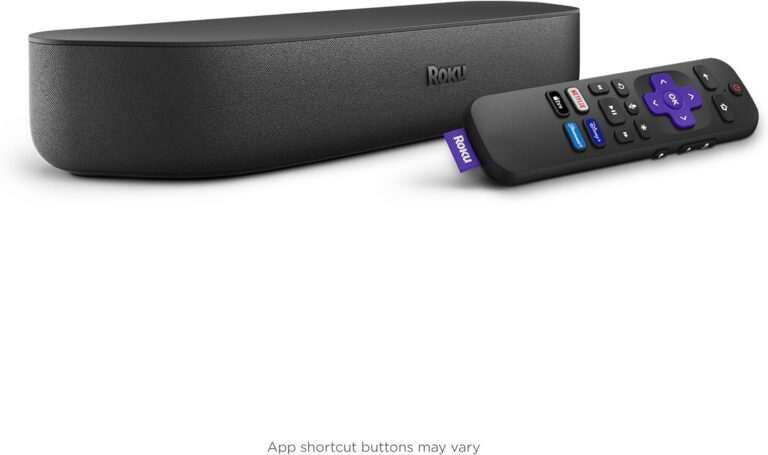
A soundbar is an all-in-one speaker system that sits below your TV. Modern soundbars often come with a wireless subwoofer (2.1 channel) or even rear speakers.
The Case for Surround Sound (AV Receiver + Speakers)
This is the traditional route: An Audio/Video (AV) Receiver connected to separate speakers (Center, Left, Right, Surrounds) and a dedicated powered subwoofer.
| Feature | Soundbar (2.1 or 5.1) | Home Theater (5.1 Receiver) |
|---|---|---|
| Setup Difficulty | Easy (10 mins) | Moderate (1-2 hours) |
| Sound Quality | Good (Clear dialogue) | Excellent (Deep immersion) |
| Bass Impact | Punchy but shallow | Room-shaking deep bass |
| Best Room Size | Small to Medium Bedrooms | Living Rooms / Basements |
Part 2: Polk PSW10 Review & Budget Competitors (2026 Edition)
If you’re aiming for a true surround sound experience or simply crave deeper, richer bass with your existing powered speakers, a dedicated subwoofer is a must-have. These specialized speakers handle the low-frequency effects, enhancing movie explosions and music’s rhythmic foundation. For years, the Polk Audio PSW10 has reigned supreme as the go-to choice for entry-level home theater enthusiasts. This popularity stems from its affordability and surprisingly robust performance for its price point.
However, the audio landscape is constantly evolving. Technology advances, and consumer expectations rise. With the year 2026 approaching, we must ask: Does the Polk Audio PSW10 still remain a viable option, a champion in the budget subwoofer arena? Or have newer contenders emerged, offering superior sound quality, features, or value, potentially dethroning the long-standing king? Examining its performance against current standards is crucial.
1. Polk Audio PSW10 – The Budget King

The Polk PSW10 is a 10-inch powered subwoofer. It doesn’t claim to be an audiophile masterpiece; it claims to fill your room with bass for the price of a nice dinner.
Key Specs:
- Driver: 10-inch Dynamic Balance composite cone
- Power: 50 Watts RMS (100 Watts Peak)
- Frequency Response: 40Hz – 160Hz
- Inputs: RCA Line Level & Speaker Level (Spring Clips)
The Verdict:
It remains the best value for small to medium rooms. It adds the “thump” needed for explosions in movies and kick drums in music. However, it doesn’t go extremely deep (below 35Hz), so it won’t rattle your windows like a $500 SVS sub would. It is perfect for upgrading from TV speakers or computer speakers.
2. Sony SACS9 – The “Tight Bass” Alternative

The Sony SACS9 (Core Series) frequently competes with the Polk Audio PSW10 in terms of price. However, the most significant distinction lies in their sound profiles. While the Polk might offer a more boomy bass, the Sony often delivers a tighter, more controlled low-end. For instance, in a movie with explosions, the Polk could sound louder, but the Sony would provide more defined, less muddy bass notes, enhancing overall clarity. This difference makes the listening experience unique.
- Sound Quality: The Sony uses a “foamed-mica” cone which is stiffer and lighter. This results in tighter, punchier bass that is often preferred for music over movies.
- Power: 115 Watts (Peak) – slightly more headroom than the Polk.
If you listen to fast-paced music (Rock, Metal, Jazz), the Sony SACS9 is often the better pick over the Polk.
3. Monoprice 12-Inch (Model 9723) – The Size Upgrade

If you’re furnishing a spacious living room, a 10-inch subwoofer could struggle to deliver impactful bass. In such cases, consider Monoprice’s offerings. For around $150 to $180, you can acquire a powerful subwoofer. This typically includes a substantial 12-inch driver, which moves more air, resulting in deeper, more resonant bass. Furthermore, these subwoofers often boast 150 Watts of Root Mean Square (RMS) power. This RMS rating indicates the continuous power the amplifier can deliver, ensuring your music and movies have the necessary low-frequency punch. Imagine the immersive experience during a movie’s explosion scene!
Moving from 10 to 12 inches moves significantly more air. This sub is less refined than the Sony but offers significantly more raw output for Home Theater usage. If you want the floor to shake on a budget, this is the one.
Part 3: The Ultimate Subwoofer Setup Guide (Crossover & Phase)
Buying the subwoofer is only half the battle. If you just plug it in, it will likely sound “boomy” or detached. You need to tune the back panel settings. Here is how to do it properly.
1. How to Connect Your Subwoofer
There are two main ways to hook up your subwoofer depending on your amplifier.
- LFE / RCA Input (Best): If your receiver has a port labeled “Sub Out” or “LFE,” use a single RCA cable. This lets the receiver handle the bass management. Turn the Crossover knob on the sub to the MAX (highest number) because the receiver is doing the work.
- High Level / Speaker Wire (Alternative): If you have an old vintage 2-channel amp with no sub output, run speaker wire from your amp’s speaker outputs into the subwoofer’s “Speaker Level In.” Then run wire from the sub to your speakers.
2. Setting the Crossover Frequency
The crossover is the “traffic cop” of your audio system. It decides where the bass stops playing on your main speakers and starts playing on the subwoofer.
- For Bookshelf Speakers: Set the dial to roughly 80Hz – 100Hz. Small speakers struggle with bass, so let the sub handle everything below 100Hz.
- For Tower/Floorstanding Speakers: Set the dial to 60Hz – 80Hz. Big speakers can handle mid-bass well, so the sub only needs to fill in the deep lows.
3. The Phase Switch (0° vs 180°)
This little toggle switch confuses everyone. It aligns the movement of the subwoofer driver with your main speakers. If they are out of sync (out of phase), the bass waves cancel each other out, resulting in weak sound.
How to set it:
- Play a song with a repetitive, heavy bass line.
- Sit in your favorite listening spot.
- Have a friend flip the switch back and forth between 0 and 180.
- Leave it on the setting that sounds Louder and Fuller.
If you can’t hear a difference, leave it at 0°.
4. Placement: The “Subwoofer Crawl”
Placement has a huge impact on volume. Putting a sub in a corner will make it louder but potentially “boomy.”
To find the perfect spot, try the Subwoofer Crawl:
- Place the subwoofer in your listening chair (yes, right where you sit).
- Play bass-heavy music.
- Crawl around the room on your hands and knees.
- Find the spot on the floor where the bass sounds the best (tight and loud).
- Place the subwoofer in that exact spot.
Conclusion
Achieving exceptional audio hinges on meticulous setup, regardless if you choose a streamlined soundbar or a dedicated subwoofer like the Polk PSW10 or Sony SACS9. Don’t hesitate to fine-tune the crossover frequency, which dictates the low-frequency range the subwoofer handles. Experiment with placement; corner placement often boosts bass, but may introduce muddiness.
For budget-conscious beginners in 2026, the Polk PSW10 is still the go-to for impactful movie experiences, due to its powerful performance for the price. Conversely, the Sony SACS9 excels for music, offering a more nuanced and musical low end. Once connected, adjust the phase control and savor the rich, immersive bass that elevates movies and music to new heights.